



From dramatic mountains and deep ancient forests to blooming meadows and barren archipelagos – Sweden's national parks offer some of the most magnificent nature experiences in our oblong country. A national park is a large protected natural area where nature is allowed to develop freely, while at the same time being preserved for future generations. Take long or short hikes, spend the night in a cabin or tent, enjoy powerful nature experiences and breathe in the peace. From Kiruna in the north to Österlen in the south: here we list all 31 national parks in Sweden.
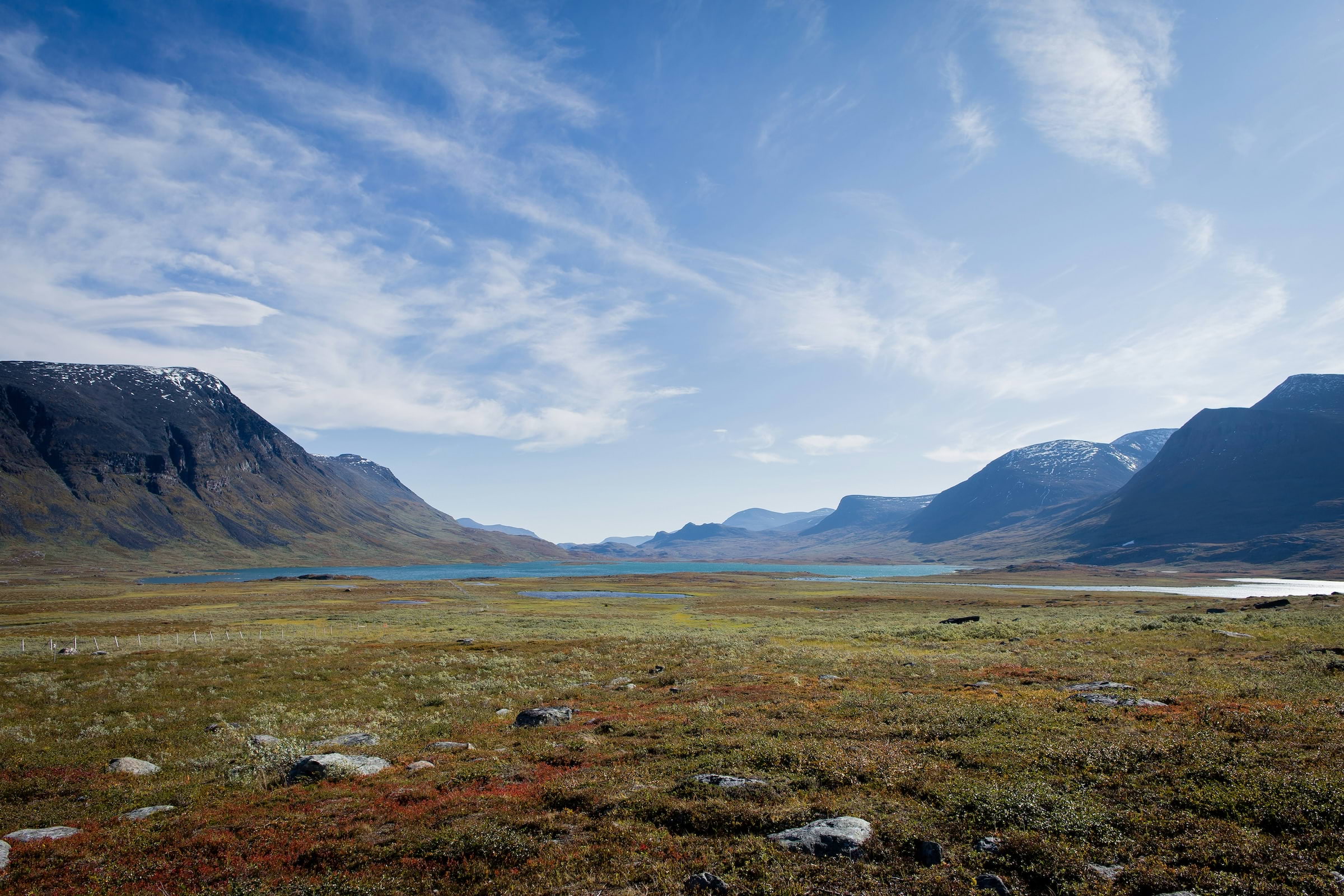 Abisko National Park
National parks in Sweden
All Sweden's national parks from north to south
Desolate in the country's northernmost national park
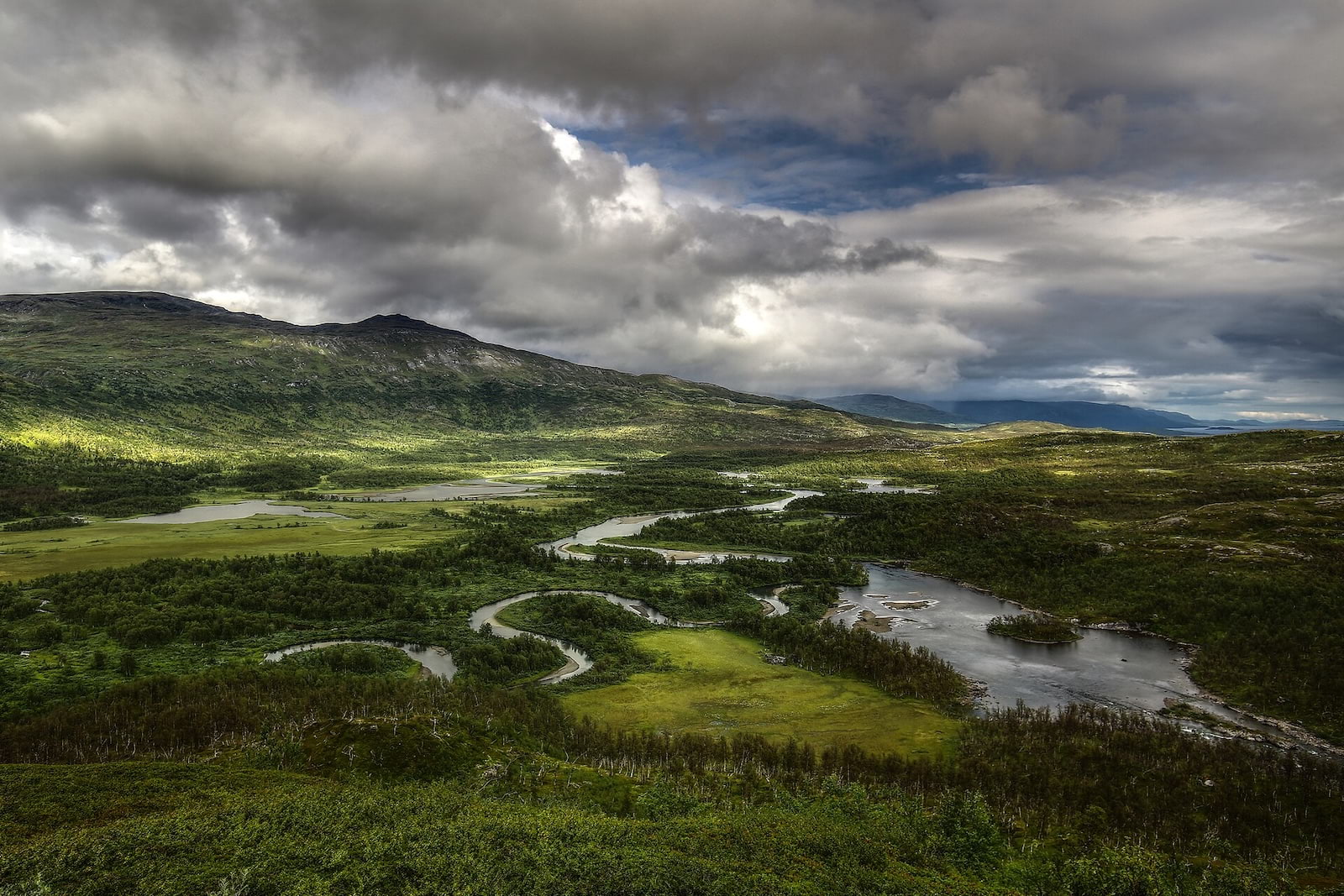
The country's northernmost national park is known as Vadvetjåkka and showcases a secluded landscape with the Vadvetjåkka mountain at its centre. The desolate area includes streams, small lakes, barren terrain, heaths and mires which together create a mountain national park worthy of its name. This is the place to come to experience real tranquillity – you need to walk about eleven kilometres from the nearest road and wade through several watercourses to enter the park. There is no accommodation or marked hiking trails in the park.
-
Vadvetjåkka, Riksgränsen
- Read more on Thatsup
Dramatic views
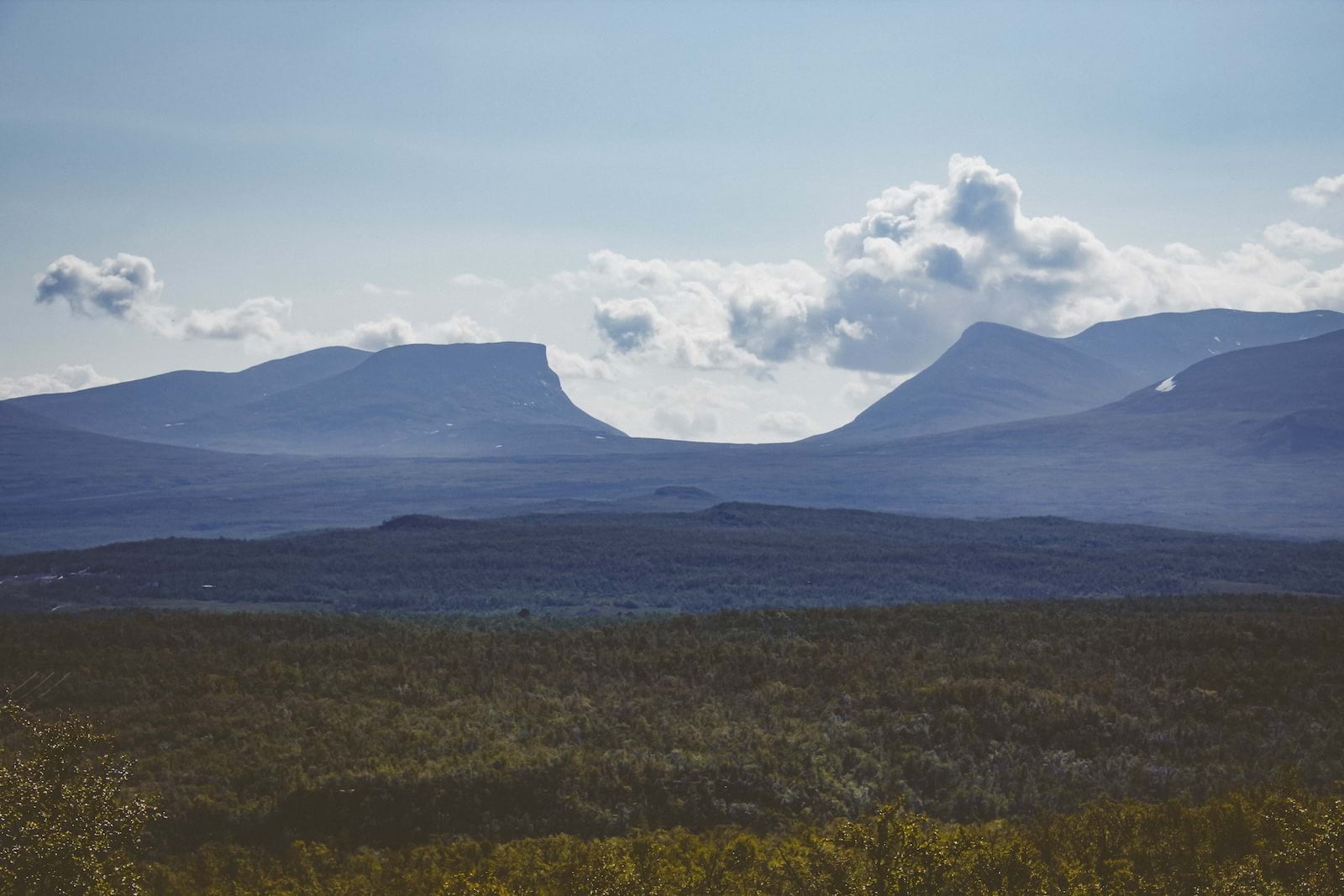
Abisko National Park offers dramatic views over, among other things, the alpine birches of Abisko valley, the blooming Njullá mountain and the Abiskojåkka river that flows through the valley. Many hikers come here to walk one of the many beautiful trails, of which the 450-kilometre-long Kungsleden is the most famous and runs from Abisko to Nikkaluokta.
The Sámi people have lived here for thousands of years while following herds of wild reindeer. A few hundred years ago the Sámi became reindeer herders, and to this day the Gabna Sámi reindeer-herding community practices reindeer husbandry in the area. There is also the Abisko Scientific Research Station, where researchers from all over the world conduct natural research in an Arctic environment. Abisko National Park covers 7,700 hectares and lies south of Torneträsk in Kiruna.
-
Lappland
- Website
- Read more on Thatsup
Part of a World Heritage Site
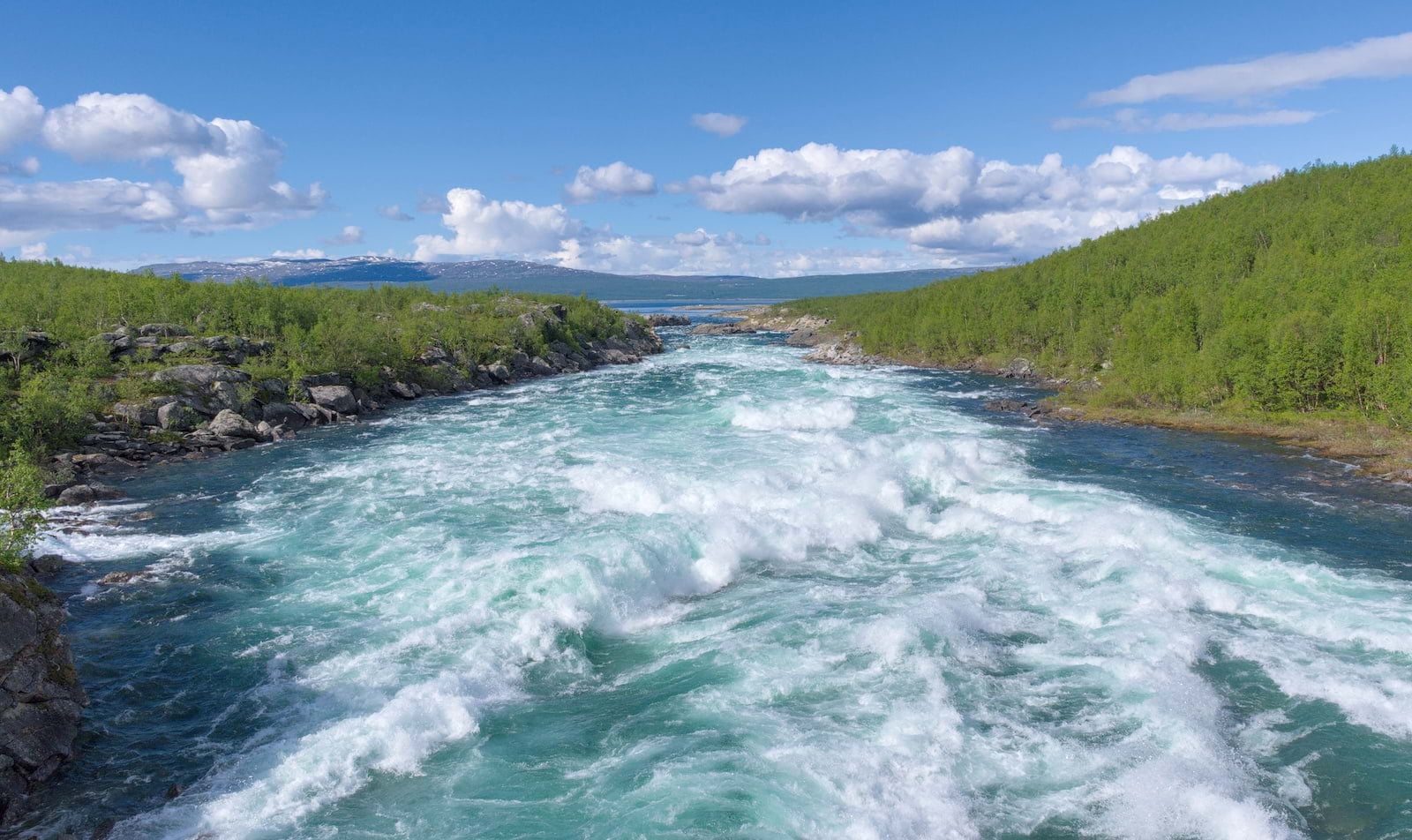
Stora Sjöfallet National Park, Stuor Muorkke in Sami, belongs to the World Heritage Site Laponia, which consists of spectacular nature with a living Sami tradition and reindeer husbandry. The national park takes its name from the five large waterfalls that once roared in the area. Today the waterfall is not as large; instead the area is dominated by mountains, valleys and glaciers in a varied mountainous landscape. The Sirges and Unna tjerusj Sámi villages have their settlements in the area and the lands are grazing grounds for their animals. The national park lies in Gällivare municipality and borders on Sarek.
At Naturum Laponia visitor centre you can learn more about life in Laponia and get information about day trips in the area, including to the peaks found here that offer expansive views across the landscape.
Open alpine landscape
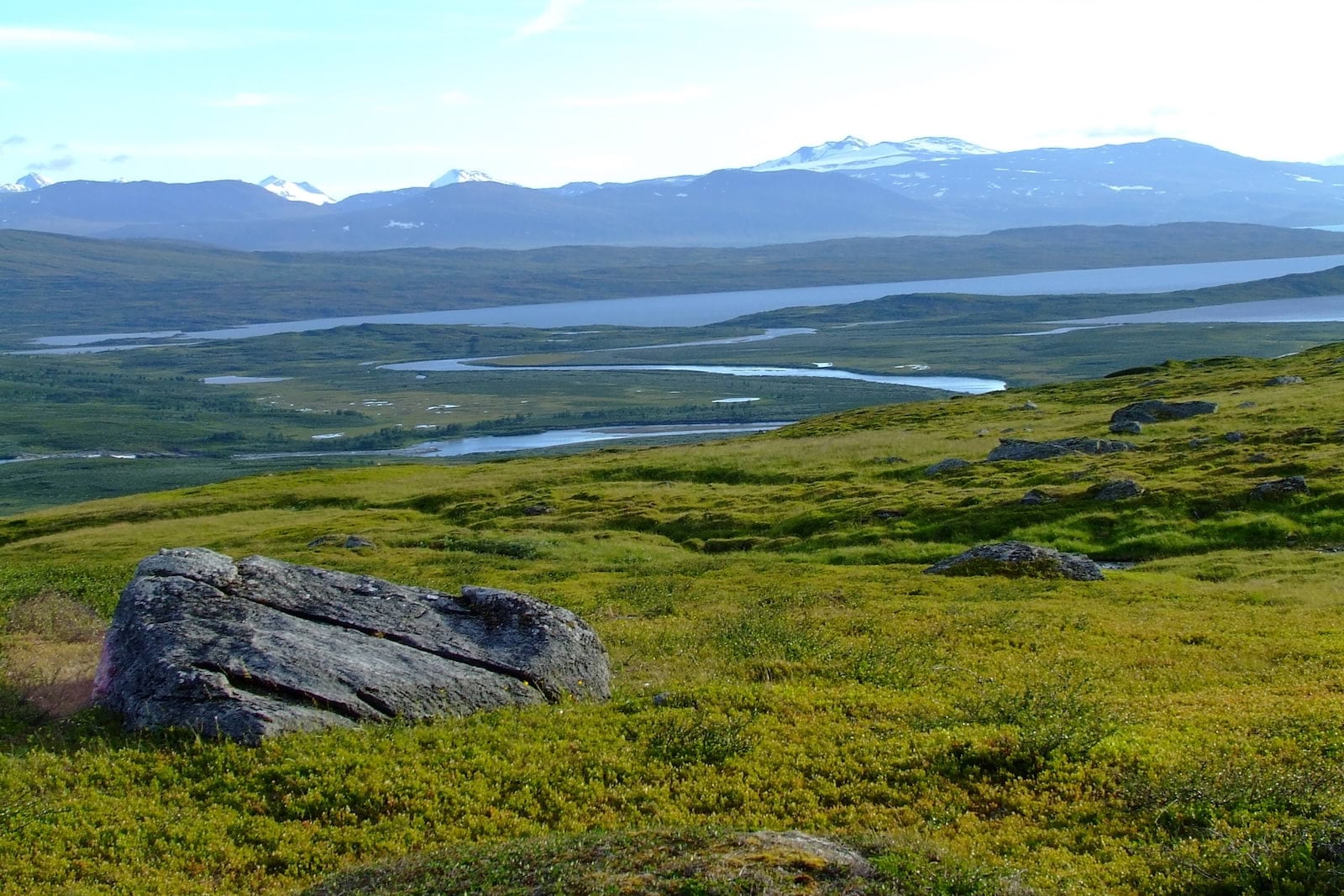
Padjelanta, Badjelánnda in Sami, is Sweden's largest national park and offers beautiful views over alpine landscape with wide high plateaus, large lakes and magnificent wildflower meadows. In contrast to the adjacent national park Sarek with its high mountains, the terrain here is softer and more open. The area is popular with hikers and each season has its charm, from the biting cold of winter on ski trips and the cries of migratory birds in spring to the bright nights of summer and the moody colours of autumn.
-
Lappland
- Website
- Read more on Thatsup
A challenge for hikers
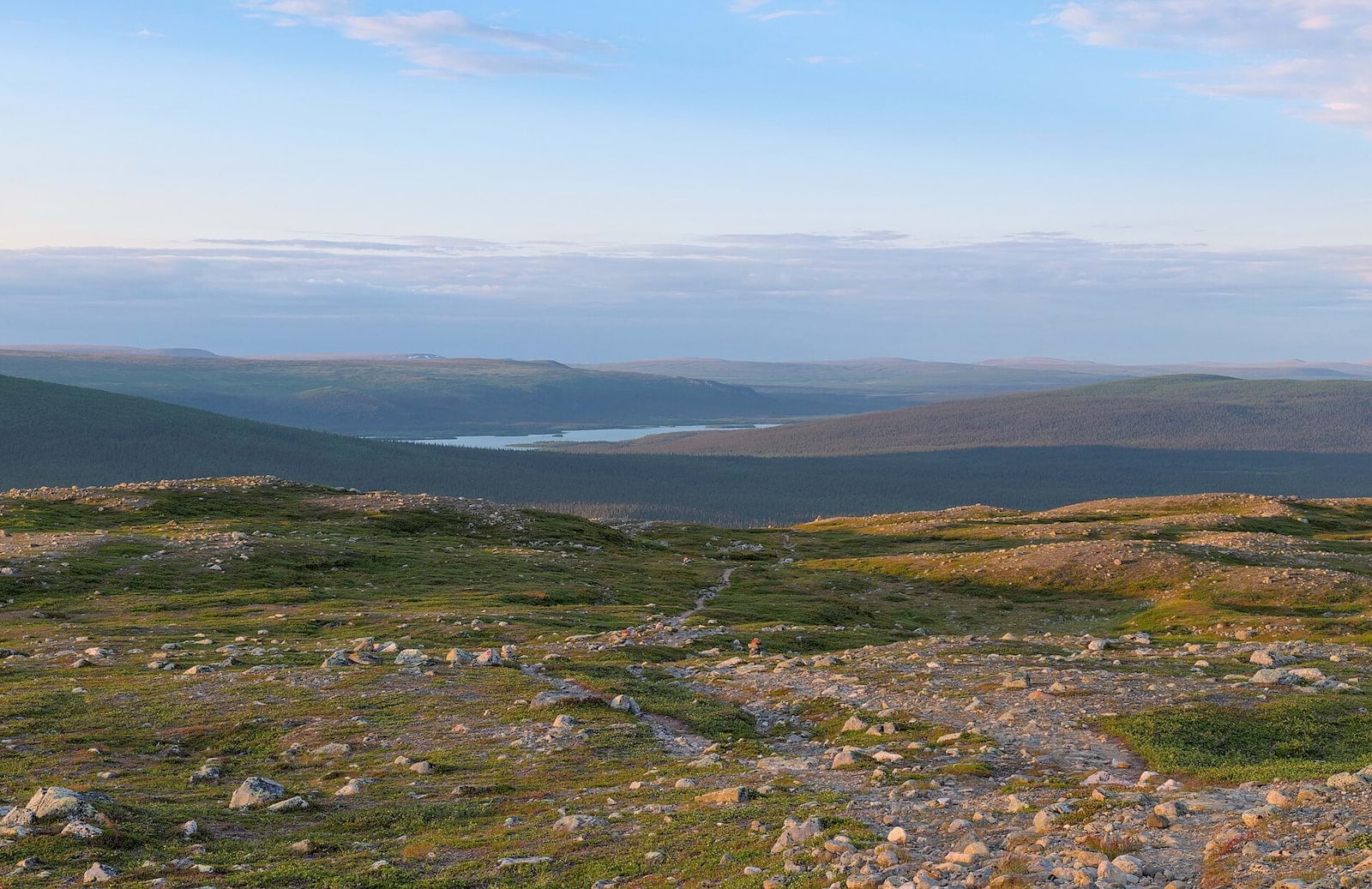
Sarek is one of the better-known national parks thanks to the spectacular nature that attracts many hikers. Hiking here is, however, quite a challenge, as the area lacks both marked trails and overnight huts. In return for venturing here you will be rewarded with unparalleled natural experiences that include views of glaciers, valleys, steep cliffs and animals such as moose, reindeer and large birds of prey.
Enjoy the silence
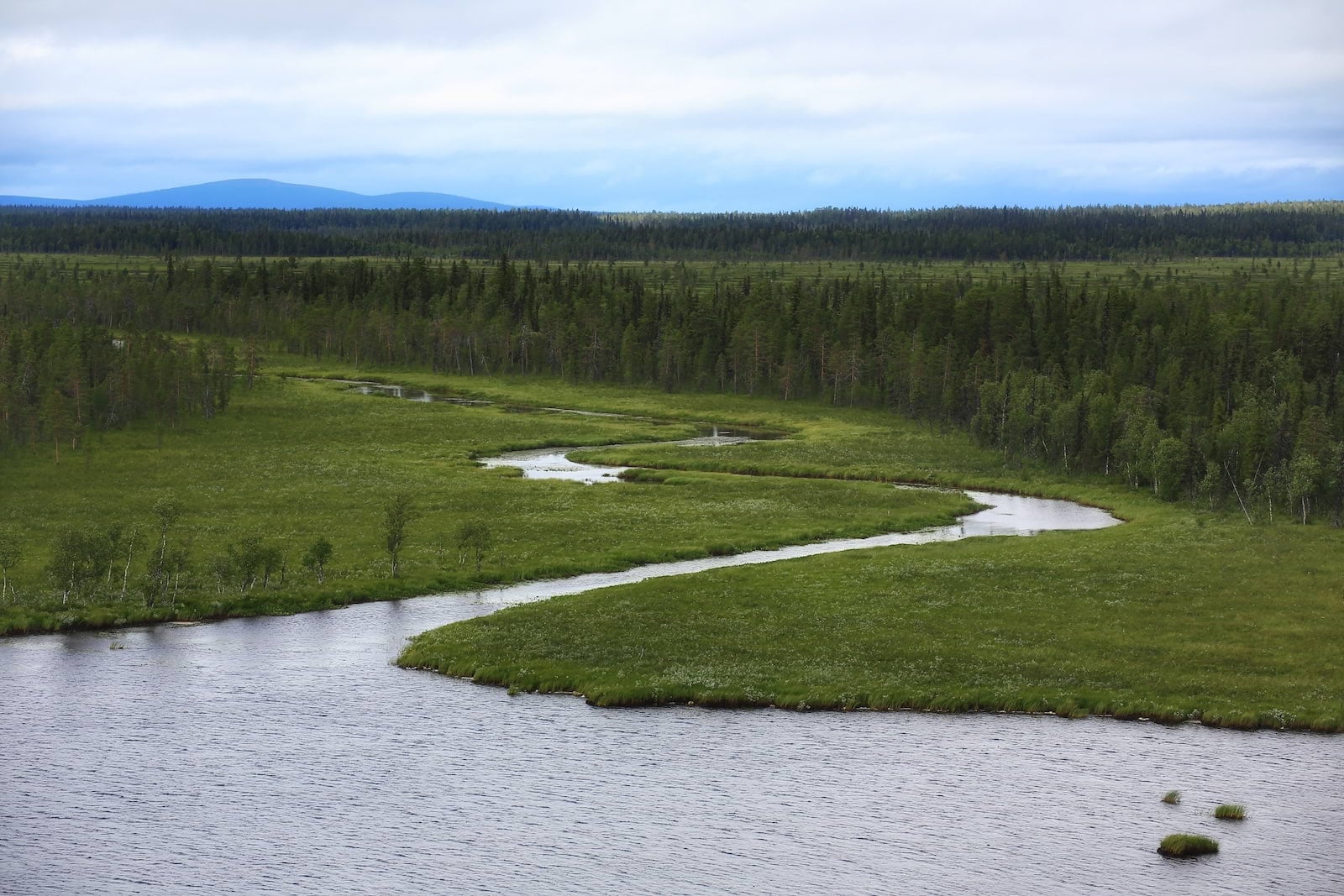
Muddus National Park, known as Muttos in Sami, is Sweden's largest forested national park and an exceptionally quiet one; researchers have discovered that this is one of the country's quietest places. Hike through ancient forests and bogs, admire the dramatic nature with steep cliff faces and waterfalls and try to spot the great northern diver, capercaillie, bear and moose. The area is also important for reindeer herding. You can both hike and ski through the beautiful scenery and there are also campsites and rest areas with firewood storage, a dry toilet and fireplaces.
-
Jokkmokk
- Website
- Read more on Thatsup
Expansive mountain birch forests
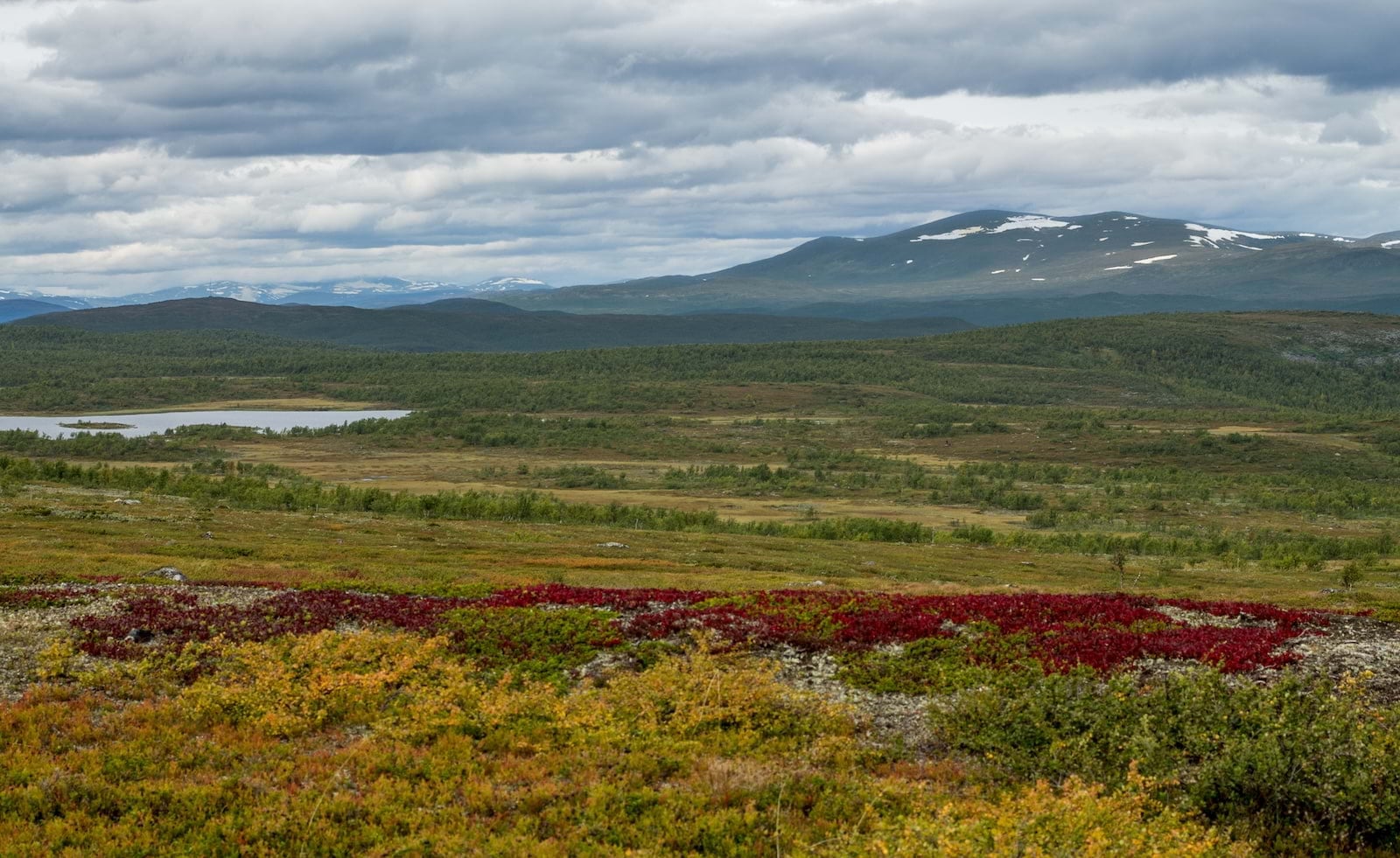
Pieljekaise in Arjeplog is a national park of the more obscure kind, despite the wild, expansive birch forests that have, since time immemorial, been a site for the Sámi reindeer herding and now also have easy-to-walk trails. Mountain birch forest in its natural state takes centre stage, and it is also the reason why the area is protected as a national park. There's no road that goes all the way to the park boundary; instead, you have to travel on foot if you want to reach Pieljekaise. The name comes from the highest mountain of the same name, 1138 metres above sea level.
-
Arjeplog
- Website
- Read more on Thatsup
Sweden's northernmost archipelago
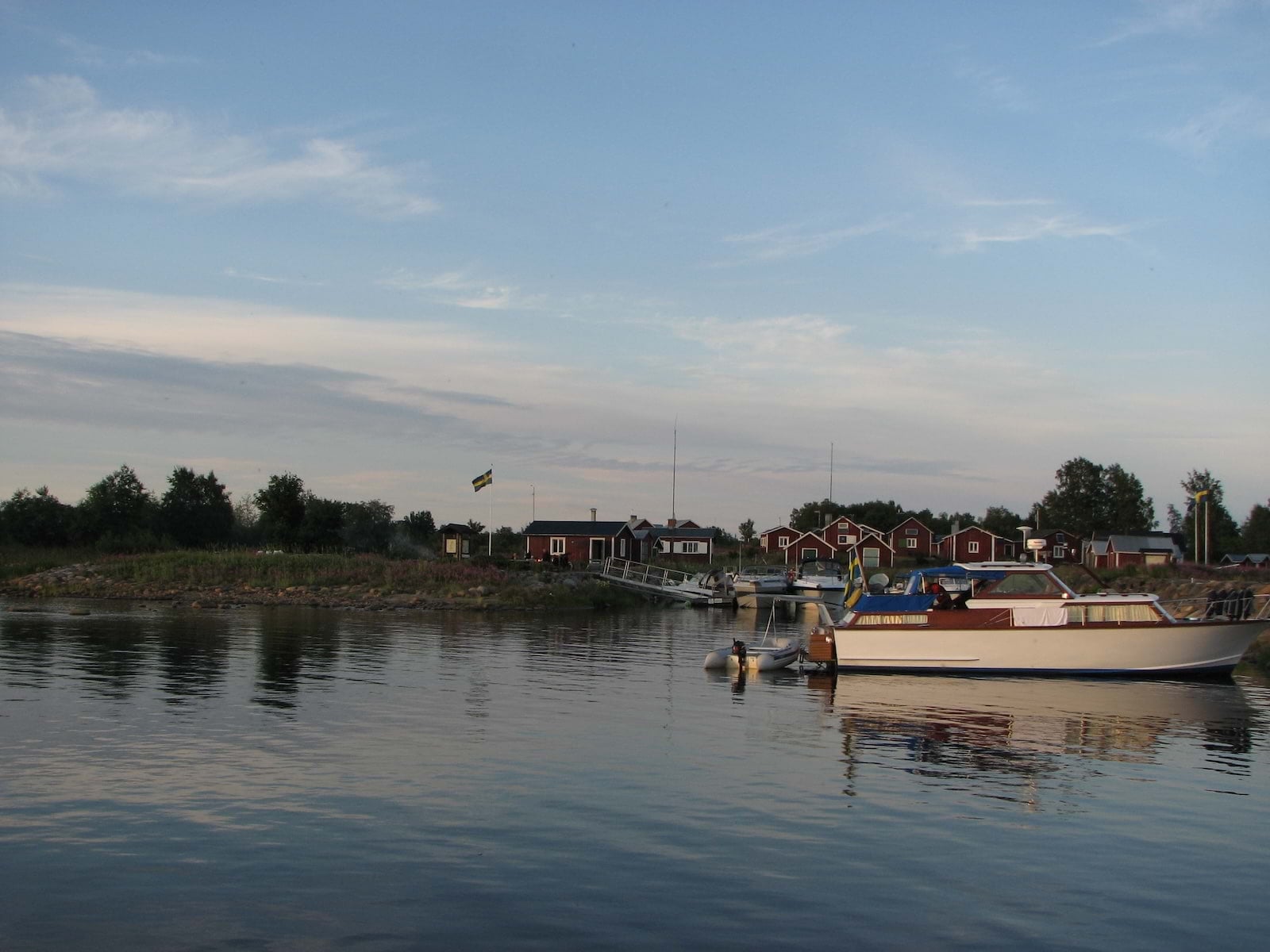
The Haparanda Archipelago is one of Sweden's northernmost national parks and lies in the Norrbotten archipelago, close to the Finnish border. The national park was established in 1995, but humans have inhabited the islands in the area for many centuries to hunt seals and fish Baltic herring. On the largest island, Sandskär, there are archaeological remains, fishing huts and a chapel from the 18th century – which are still in use today. The most characteristic feature of Sandskär is the long sandy beaches, the primeval forests with their gnarled pines and the flowering beach meadows. On the same island there is also a harbour, camping sites and cottages to rent for anyone wishing to stay overnight.
-
Nikkala
- Website
- Read more on Thatsup
Ravaged by wildfires
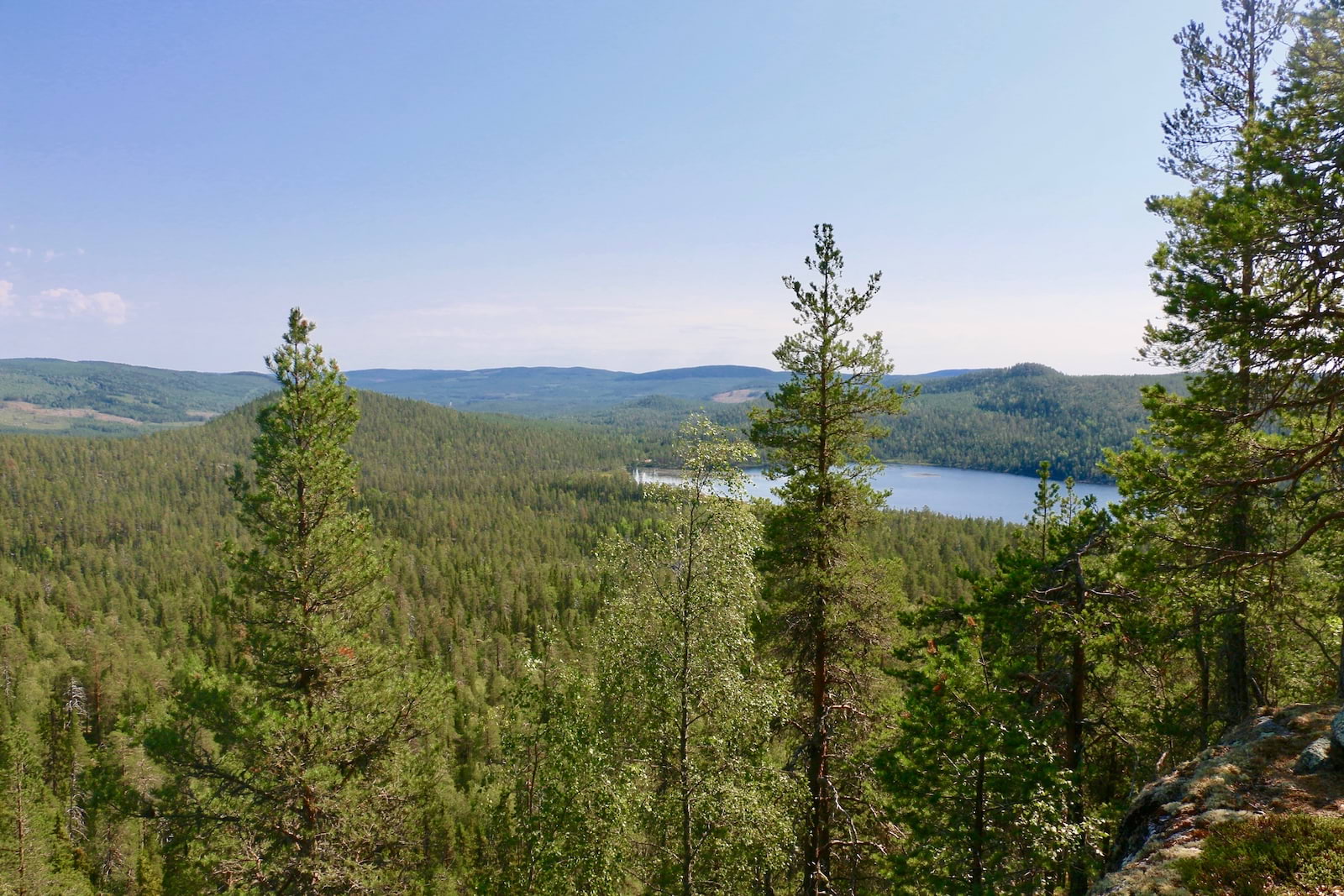
The wilderness of Björnlandet is majestic, with gnarled old pines and traces of wildfires that have ravaged the area – the most recent in 1831. The harsh climate yields a relatively species-poor flora, but if you keep your eyes open in the spruce swamp forests and are lucky you might spot the Lapland buttercup's small, yellow flowers, or the wood hedgehog mushroom. There are a number of shorter hiking trails ranging from 2.6 to 12 kilometres.
-
Fredrika
- Website
- Read more on Thatsup
Experience the High Coast
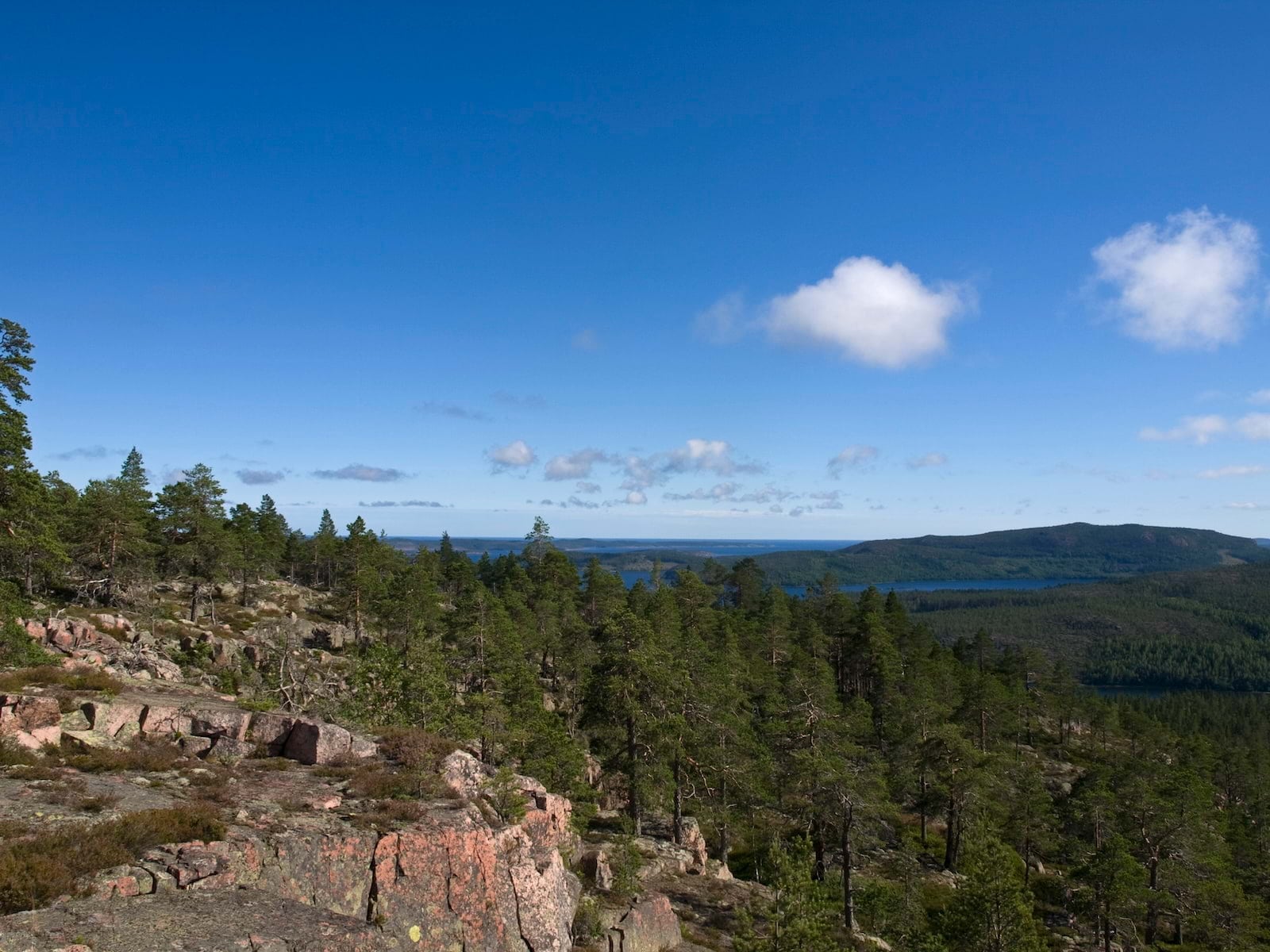
The area around the High Coast has been depicted many times, and it's easy to see why. There are deep ancient forests, breathtaking views from the mountains, steep cliffs, coastal views and deep valleys, which makes Skuleskogen one of the country's best-known national parks. If you visit Skuleskogen, don't miss Slåttdalsskrevan with its 40-metre-high rock faces, in the heart of the national park. Fancy a hike? There are several different routes, totalling 35 kilometres of hiking trails. Stage 7 of the 135 km long Höga Kusten Trail also passes through Skuleskogen.
-
Kustvägen 31, Mjällom
- Website
- Read more on Thatsup
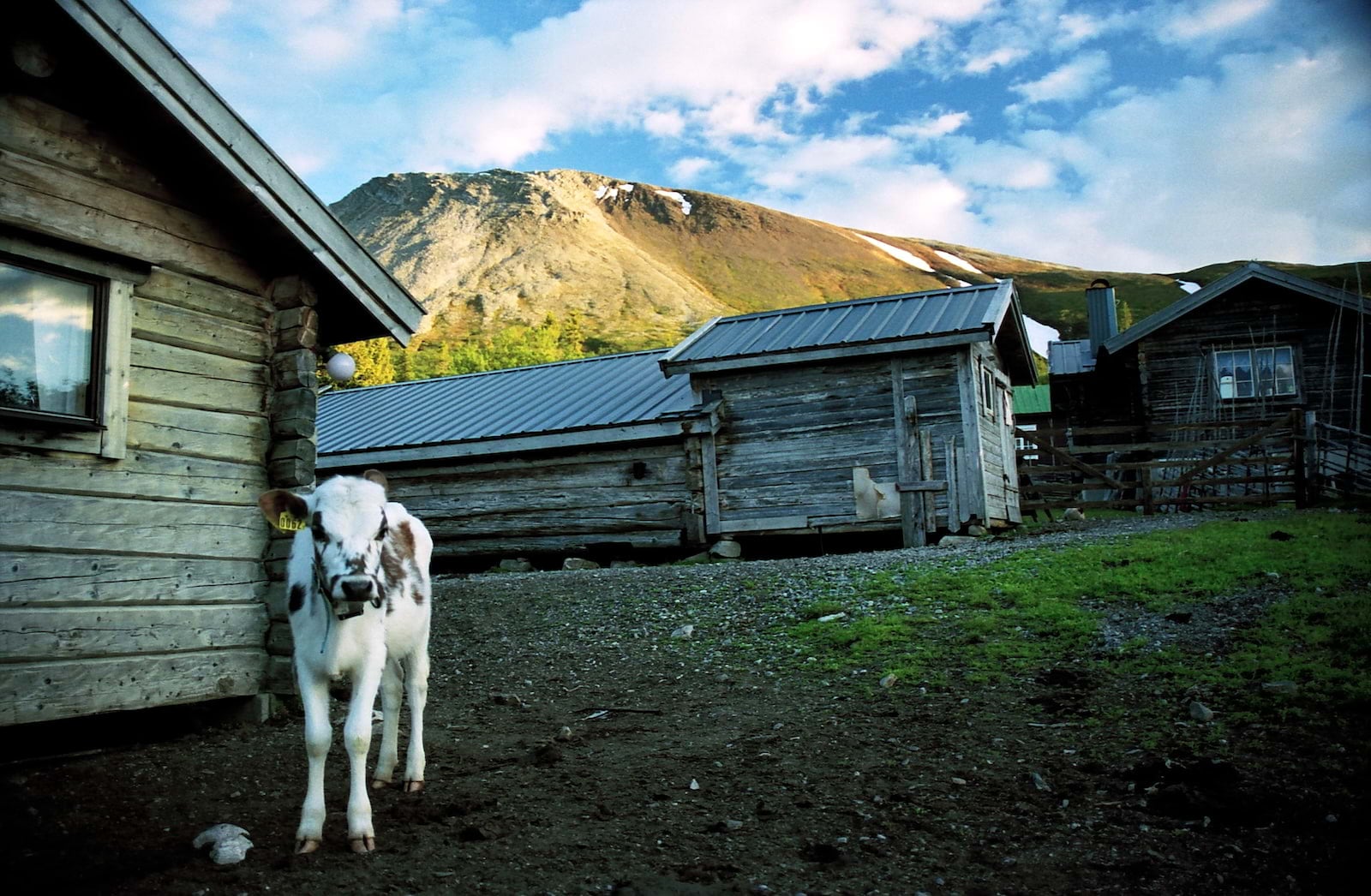
The forests of the bears
Sonfjället rises high above Härjedalen and showcases its mighty landscape with clear traces from the Ice Age, with formations of large blocks of stone and the so-called meltwater channels, formed by water that ran along the edge of the melting ice. Sonfjället and the forests around it are known as the bear's forests, as the area is one of Sweden's most bear-dense areas and has a permanent bear population moving through the park. As well as bears there are also, among other things, moose, lemmings, lynx and golden eagle. From the main entrance at Nyvallen, several marked hiking trails lead out, and there is also a fäbod (seasonal mountain pasture) with goats and mountain cattle.
-
Sonfjället, Härjedalen
- Website
- Read more on Thatsup
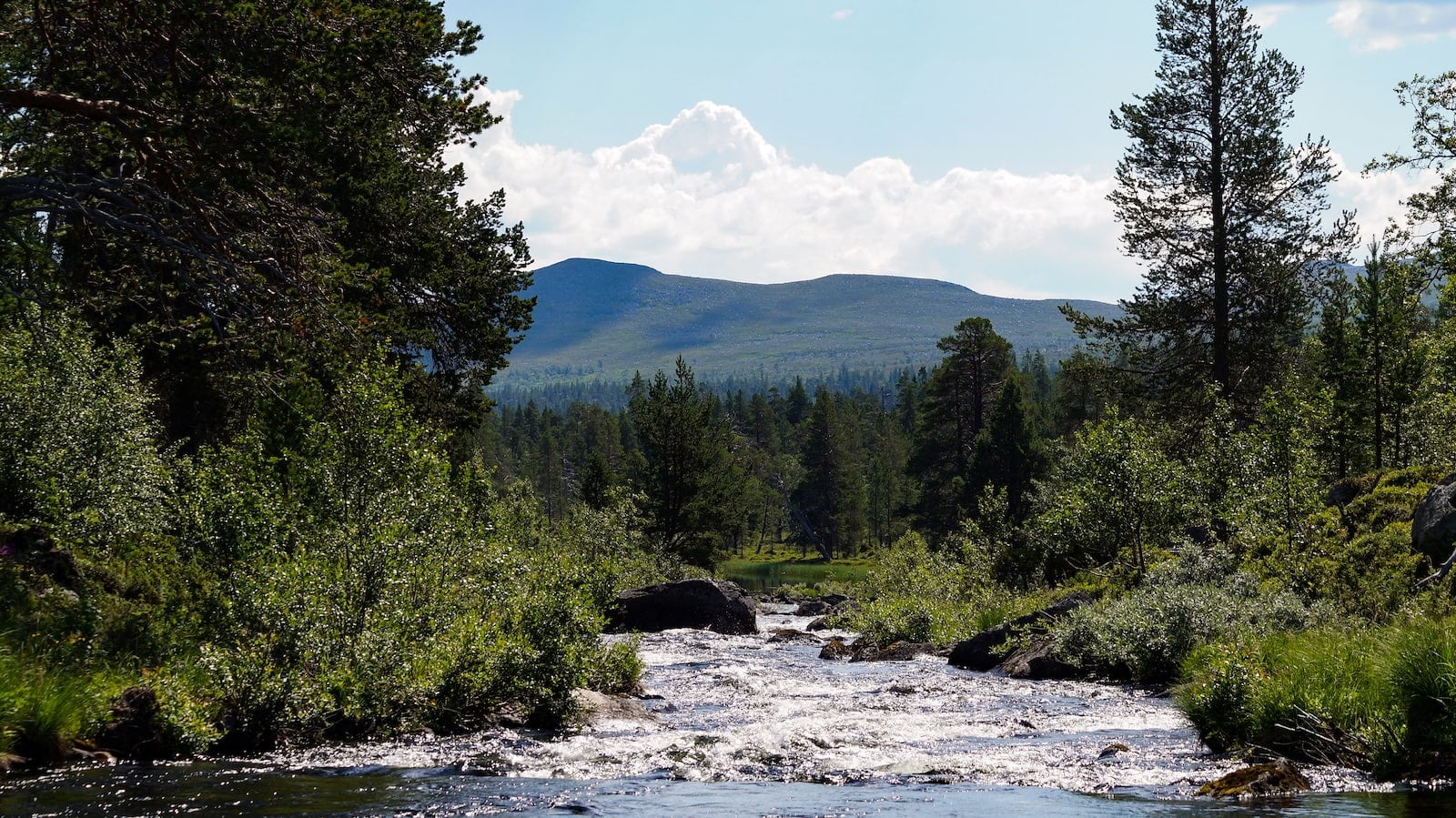
Unspoilt nature
Töfsingdalens National Park in Dalarna has been described as the definition of wilderness. Inside the park there are few marked trails for hiking due to the difficult terrain; instead, cliffs, ravines and lakes dominate the area. In the unspoilt natural environment, the poisonous wolf lichen thrives, which is becoming increasingly rare in Sweden but can still be found here.
-
Idre, Idre
- Read more on Thatsup
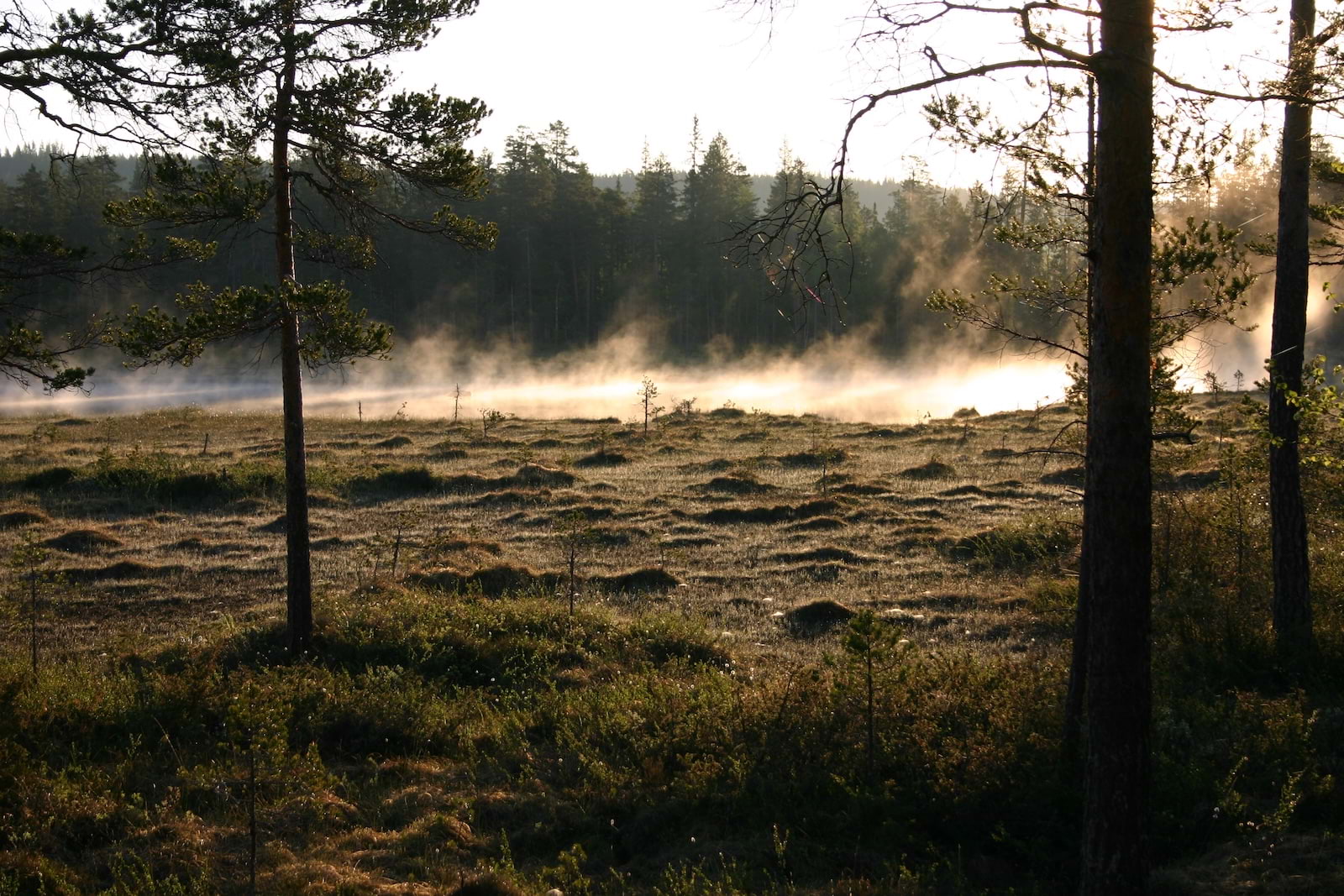
Bear-dense
Hamra National Park was established in 1909 when the area was marked out as the most remarkable tract of old-growth forest to be found within Sweden's own forest area. It has continued in this way, and in 2011 the park was further enlarged. The unspoilt forest is one of a few of its kind in central Sweden, with wild mires, ancient forests and trees that are several hundred years old. Fallen trees attract beetles, woodpeckers, owls and other species that thrive in hollows in decaying wood, but the mightiest of all animals in Hamra must still be the bear, of which there are plenty here.
In the national park there are hiking trails of varying difficulty, including the Hamra Trail, a ten-kilometre hike through the park's various types of nature. Hamra National Park is located in Ljusdal Municipality in north-west Hälsingland.
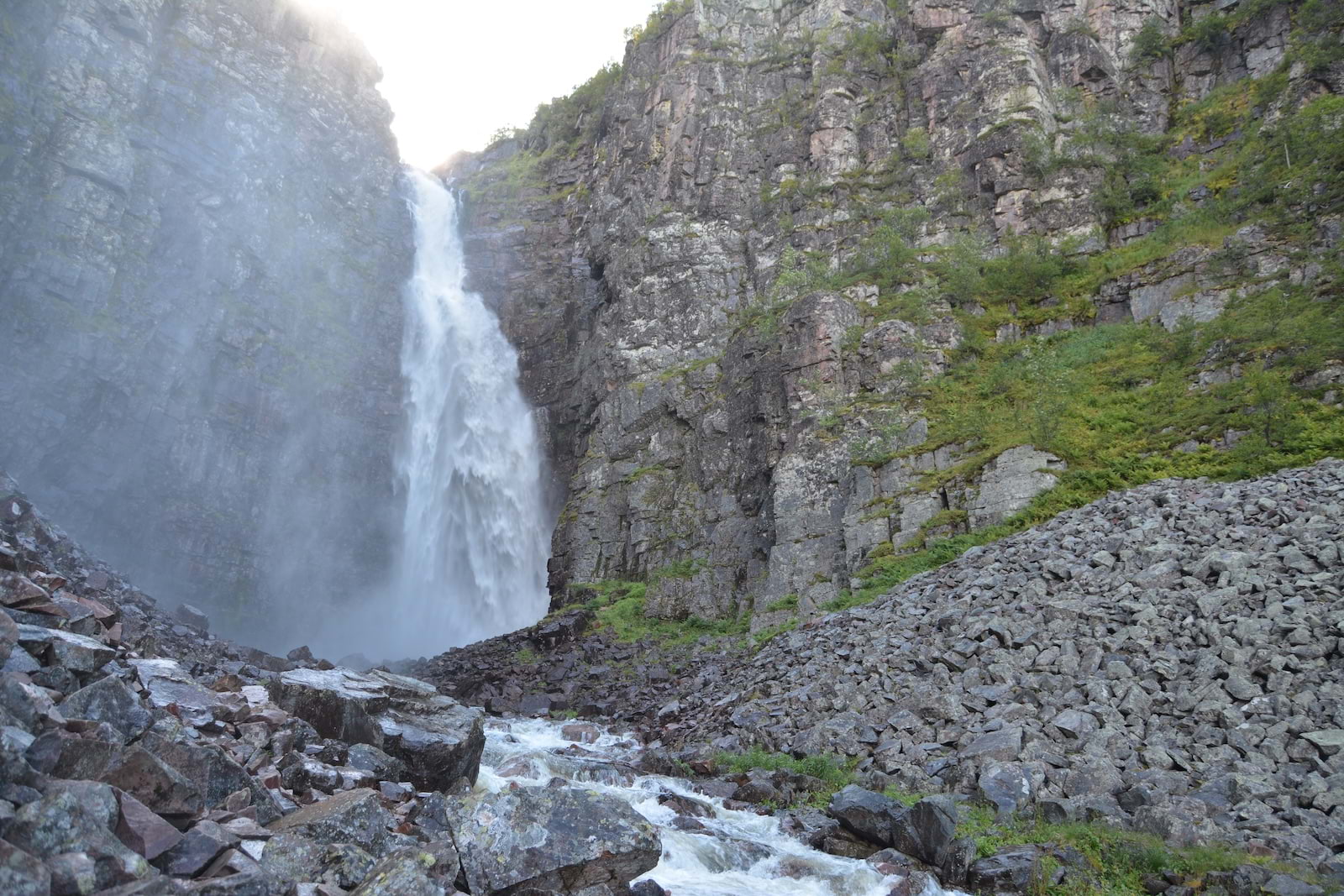
Sweden's tallest waterfall
You may have seen pictures of the mighty Njupeskär waterfall in Fulufjället. It is, among many other dramatic natural scenes, one of the highlights of Fulufjället National Park, which lies in north-western Dalarna. The brave can bathe in the pools at the top of the waterfall, from which there's a striking view of the area.
-
Älvdalen
- Website
- Read more on Thatsup
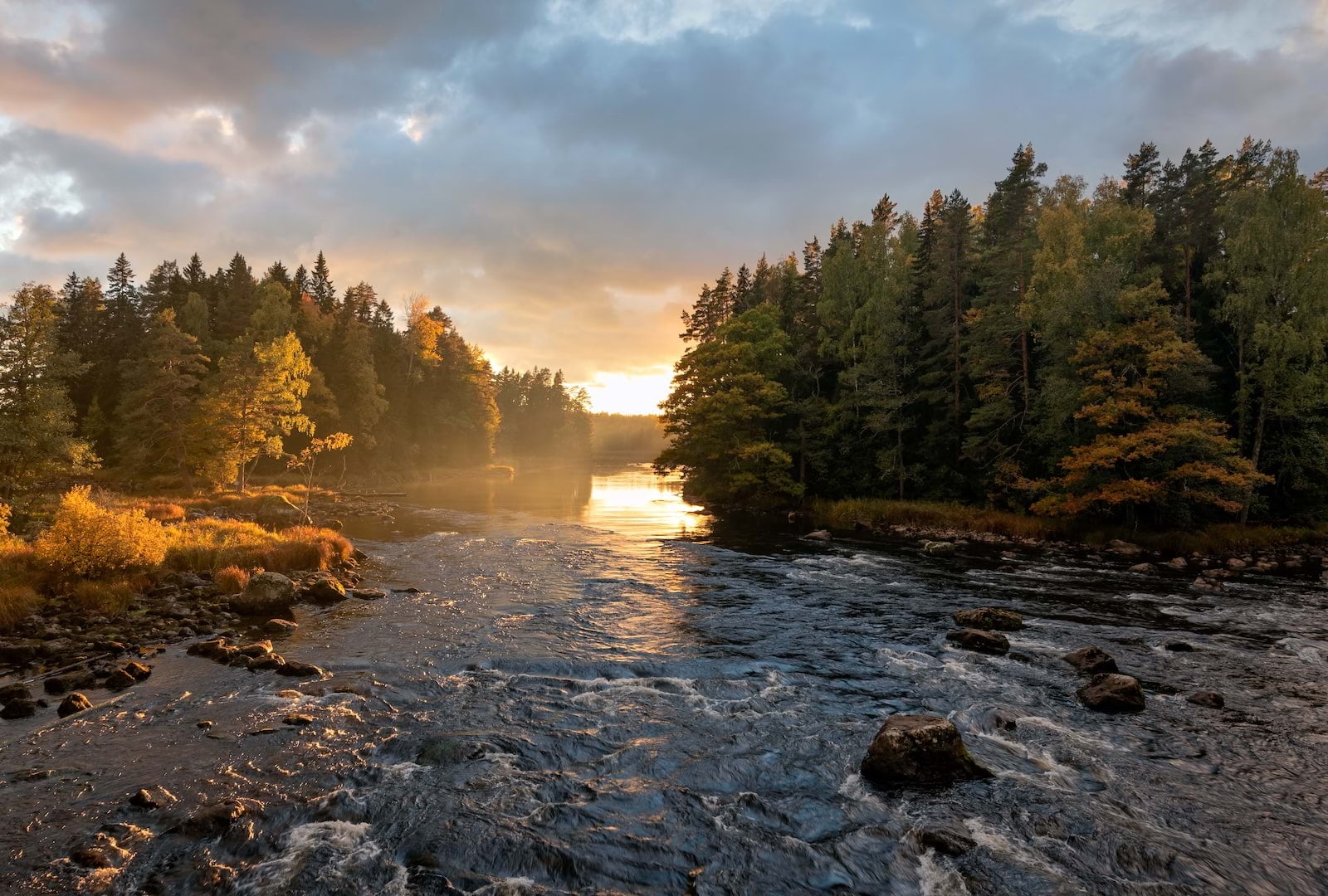
Birds' paradise
Färnebofjärden, an area around the lower Dalälven river, showcases many different kinds of environments in which as many as 205 bird species thrive. Just over 100 of them breed regularly and have attracted a multitude of birdwatchers since the 1970s. The river's annual floods have made the area uninhabitable over the years and, instead, laid the groundwork for abundant wildlife.
-
Tärnsjö
- Website
- Read more on Thatsup
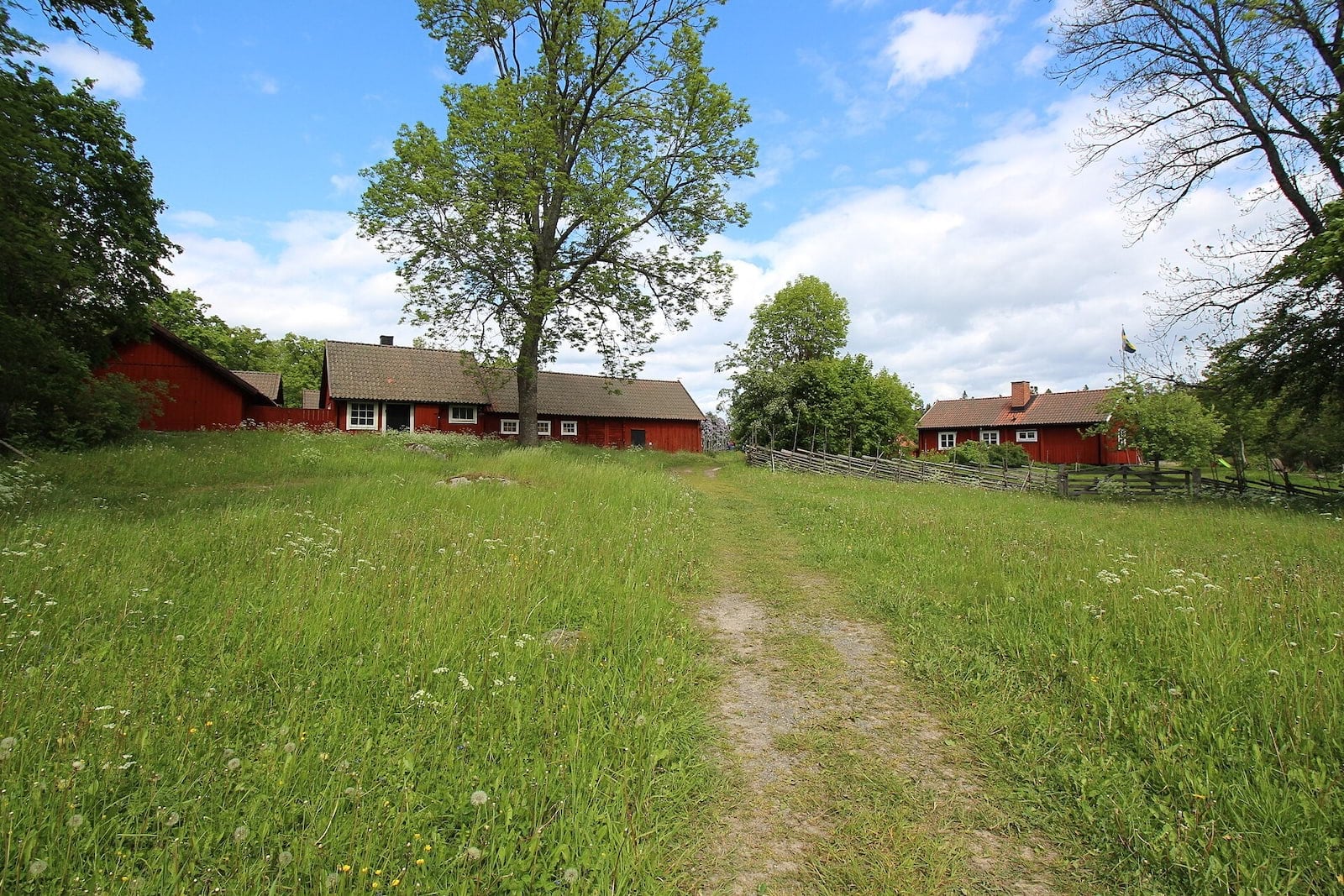
The blooming national park
During the summer months, Ängsö National Park is in bloom, with rich wildflower meadows and orchids that colour the landscape. The national park lies in the northern Stockholm archipelago, in Roslagen, and showcases an unusually well-preserved agricultural landscape from the 19th century. Travel here with the Waxholms boats and join guided tours, or explore the area yourself year-round. If you come here, don't miss Långängen's rich floral display.
-
Bergshamra, The Archipelago, Stockholm
- Website
- Read more on Thatsup
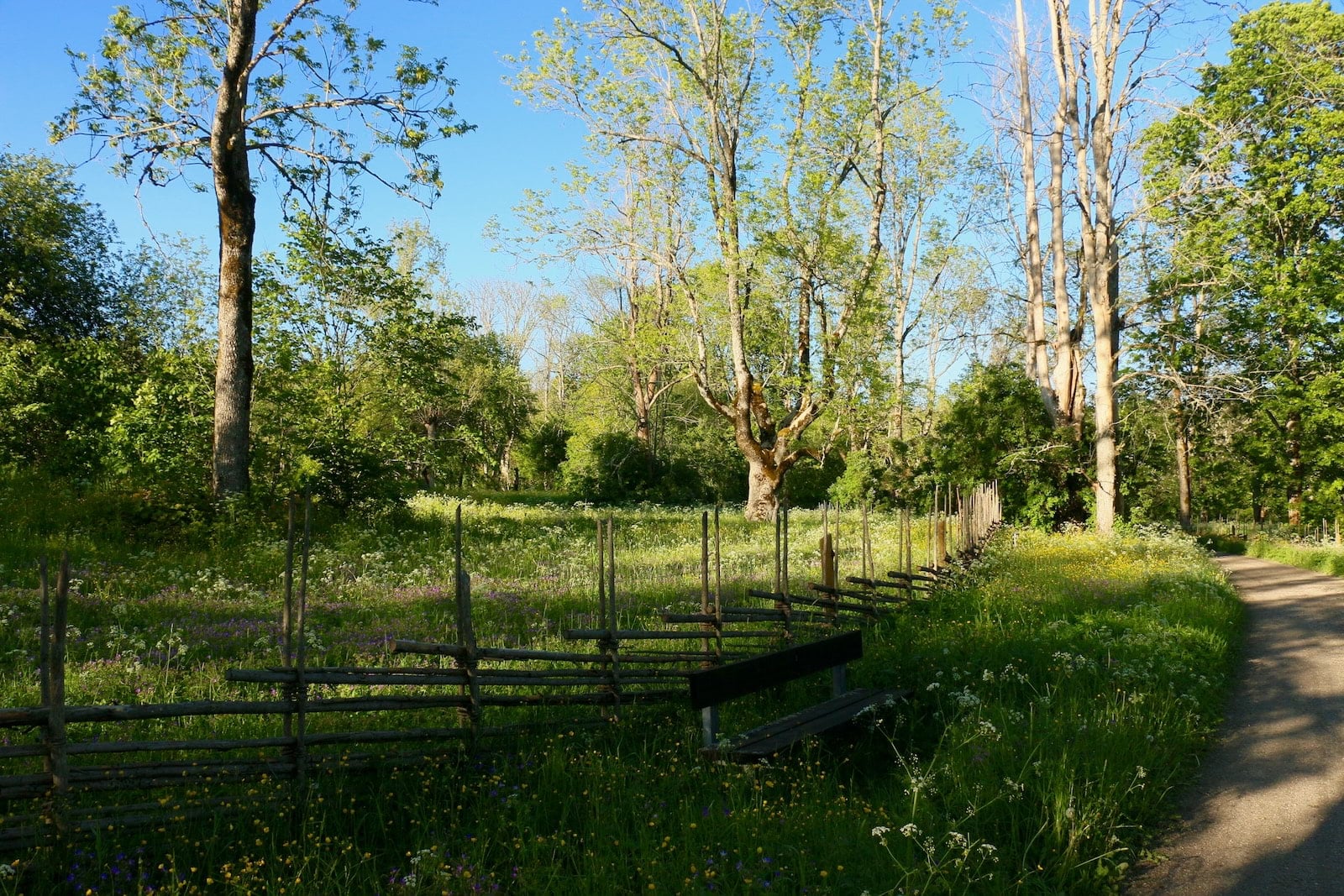
From clear-cut to thriving forest
Back in 1909, Garphyttan's greatness was recognised and the area was made a national park to protect its beautiful landscape. Earlier, during the 19th century, almost all the forest had been clear-felled to be used as charcoal at Garphytte ironworks, which at the time was one of the central ironworks in Bergslagen. Since then, forests have been replanted and today are largely left to take care of themselves, apart from a part of the old arable land that is kept open through annual haymaking. In the national park there are four shorter hiking trails of 0.8–3 kilometres.
-
Vintrosa
- Website
- Read more on Thatsup
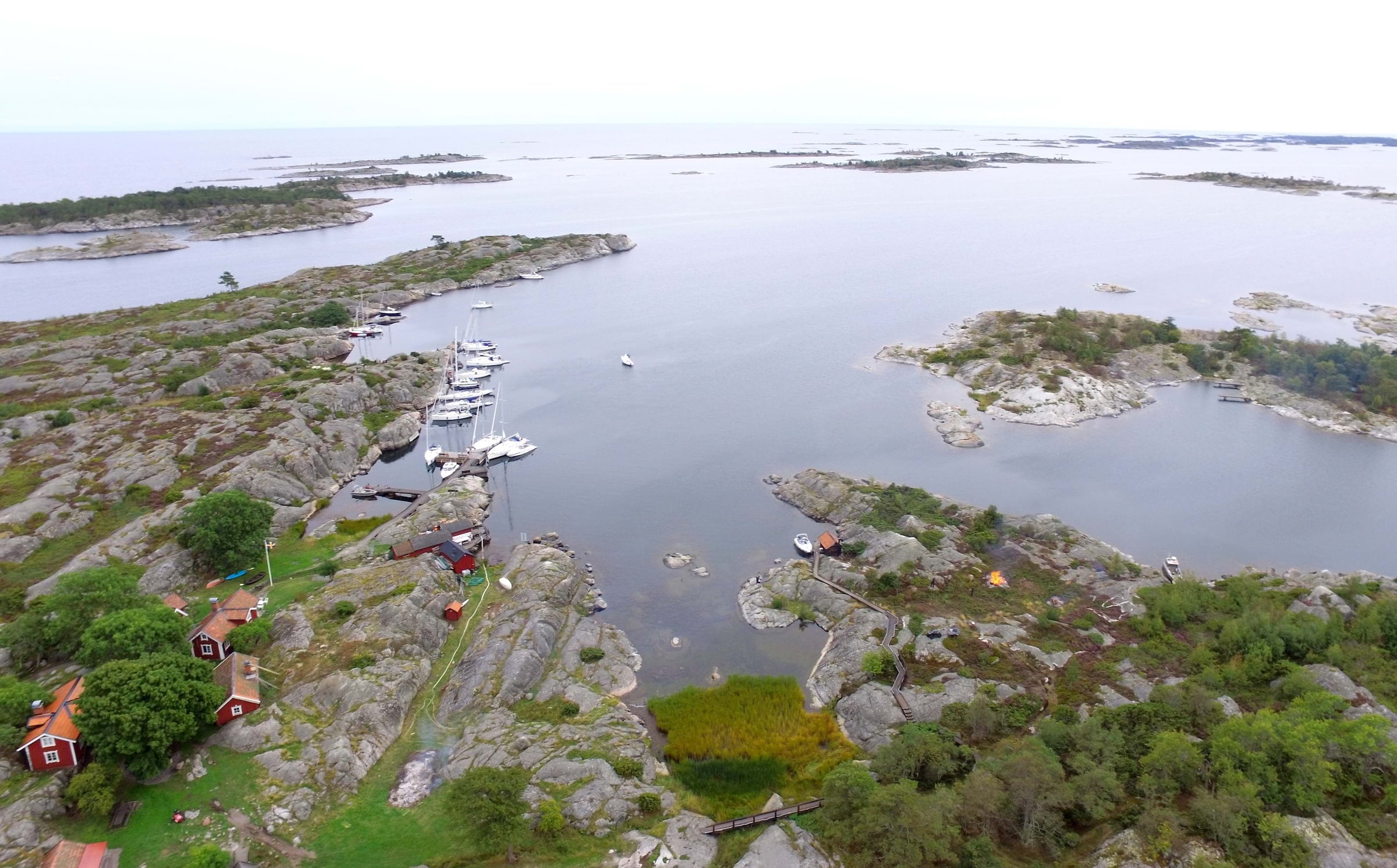
In the Stockholm archipelago
Nestled in the Stockholm Archipelago lies Nämdö Archipelago National Park, Sweden's first marine national park in the Baltic Sea. Despite its proximity to the bustle of the city and the rich wildlife, there's a tranquil, atmospheric stillness here, with beautiful cliffs and vegetation that become lower and more barren the further you go. 97 per cent of the national park's area consists of sea, with shallow bays, mussel beds and brackish water where both saltwater and freshwater species thrive. In the park you can swim, snorkel, climb and hike, and if you're lucky you may spot a sea eagle.
The national park consists of four nature reserves, of which charming Bullerö Island is one. It's easy to reach it with the Bullerö Line from Stavsnäs.
-
Nämdö, The Archipelago/Värmdö, Stockholm
- Website
- Read more on Thatsup
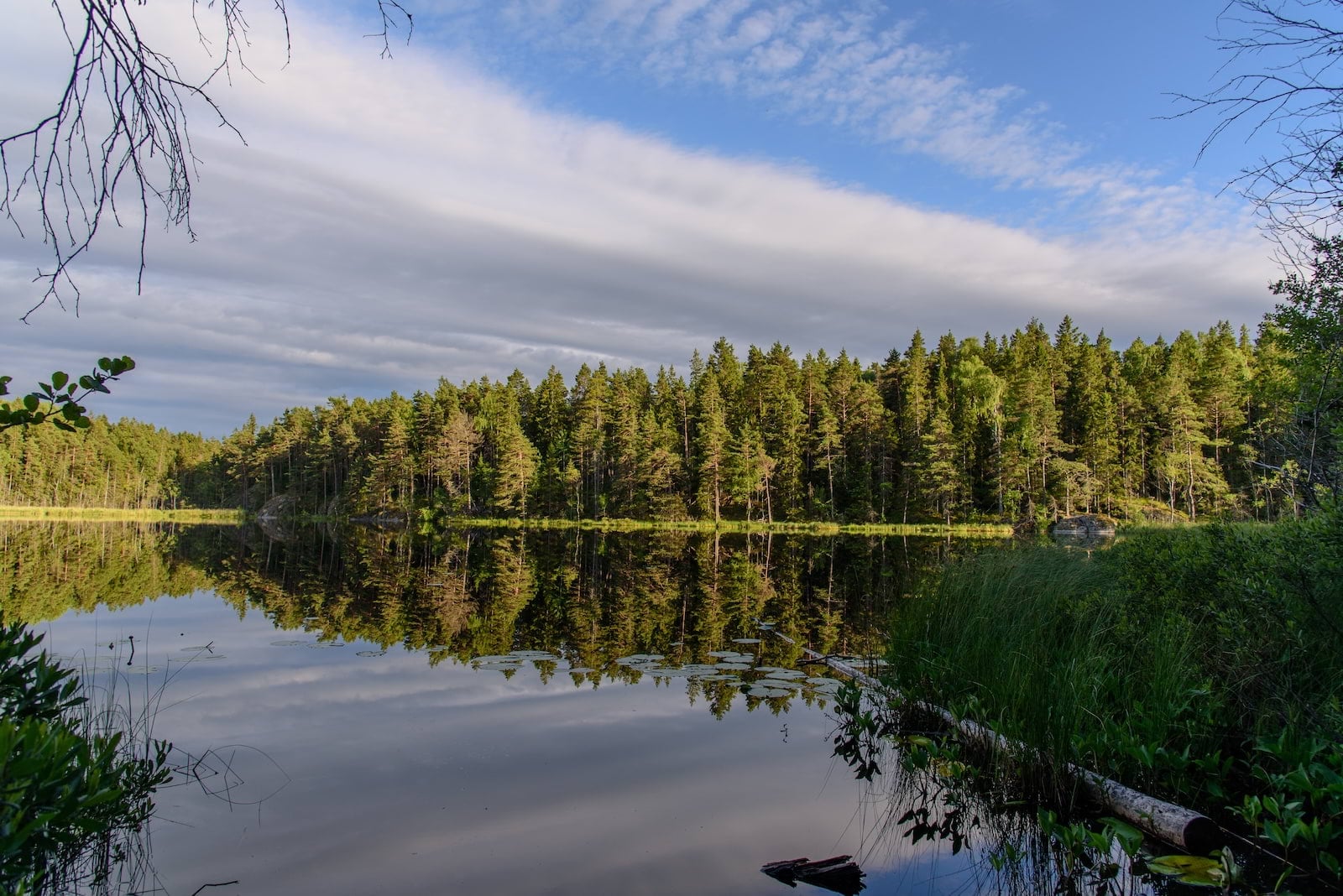
Wilderness in Stockholm
Only two miles from Stockholm city lies Tyresta National Park, where the feel of wilderness takes over and the bustle of the city feels a long way away. Everywhere you can see signs of the forest's age, in the gnarled pines, rock outcrops that have been shaped by the Ice Age and mosses and lichens. The main entrance is in Tyresta village, which has roots dating back to the 18th century, with both grazing animals, red cottages and a cosy café.
-
Tyresta nationalpark, Haninge, Stockholm
- Website
- Read more on Thatsup
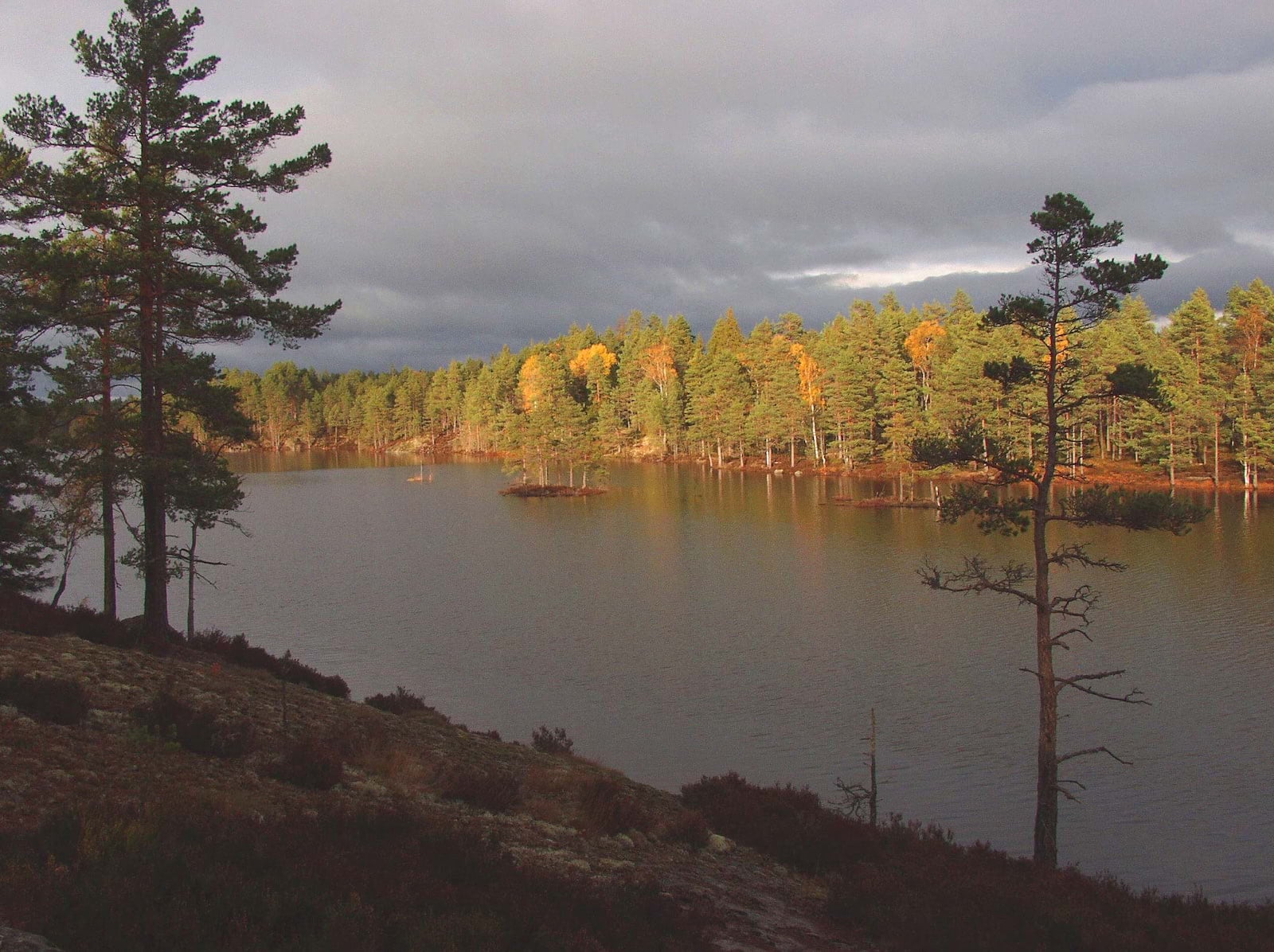
Like a washboard
Seen from above, Tresticklans National Park looks almost like a washboard, with its long, narrow mountain ridges separated by equally long mires and lakes. The national park lies in Dals-Eds Municipality in Västra Götaland, in a region that, for the area, is unusually large and forested, without settlements or roads, which gives a tranquil feeling among all the lakes. There are three trails ranging from 4.3 to 6.4 kilometres, of which one—the Bodalsvikenleden—runs all the way to the tourist cabin at Budalsvika in Norway.
-
Tresticklans nationalpark 1, Rävmarken, Ed
-
Tresticklans nationalpark
010-224 40 00 - Read more on Thatsup
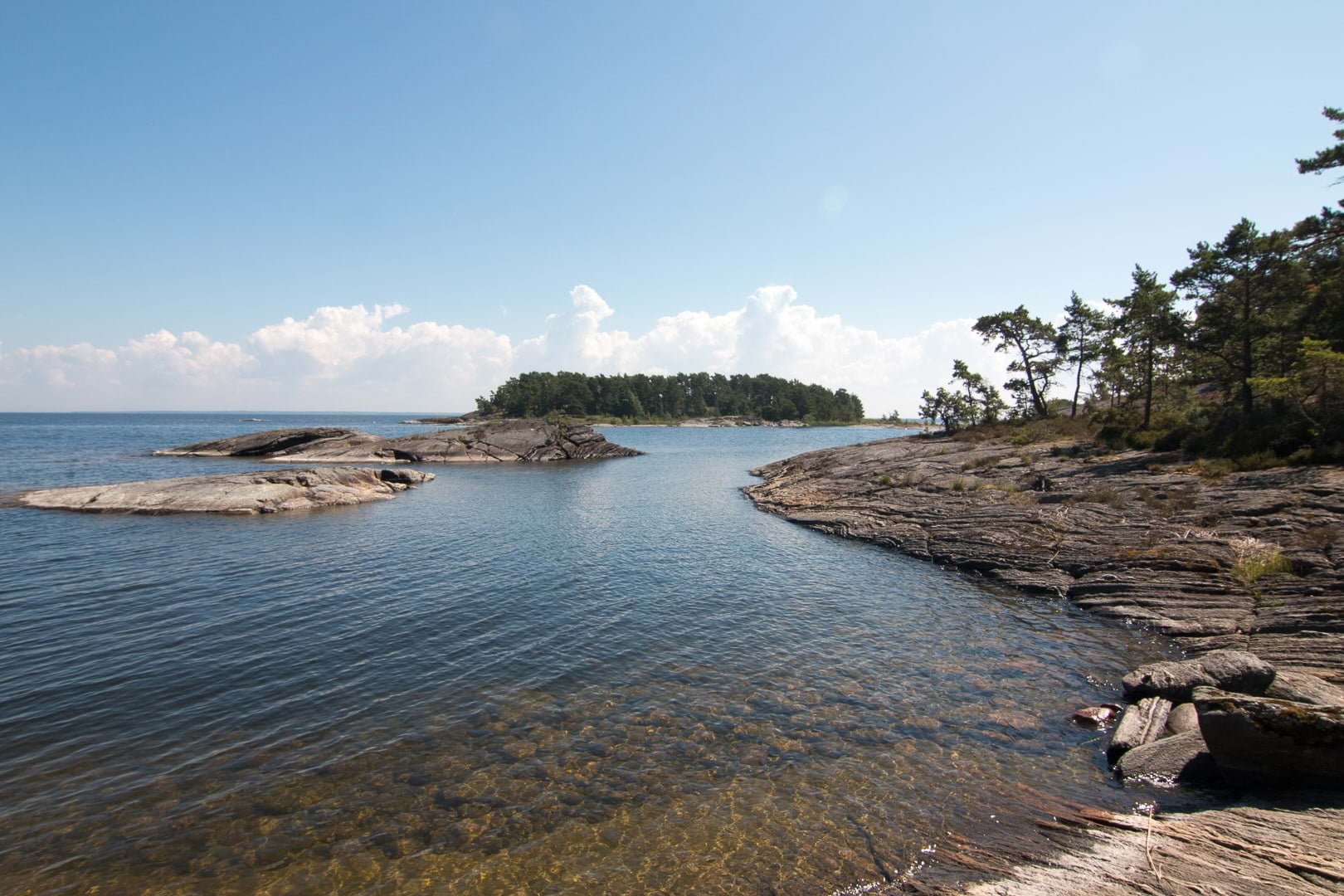
The country's most isolated archipelago
No archipelago in Sweden is as isolated as Djurö, with around thirty islands and skerries. Four families lived here before they moved away from the islands in the late 19th century, and hunting took over instead. These days, Djurö is best known as a lighthouse site. It's mainly reached by private boat or by taxi boat – there's no regular service to the islands. Bear in mind that during certain periods it is forbidden to land on certain places, out of respect for the birdlife.
-
Säffle
- Website
- Read more on Thatsup
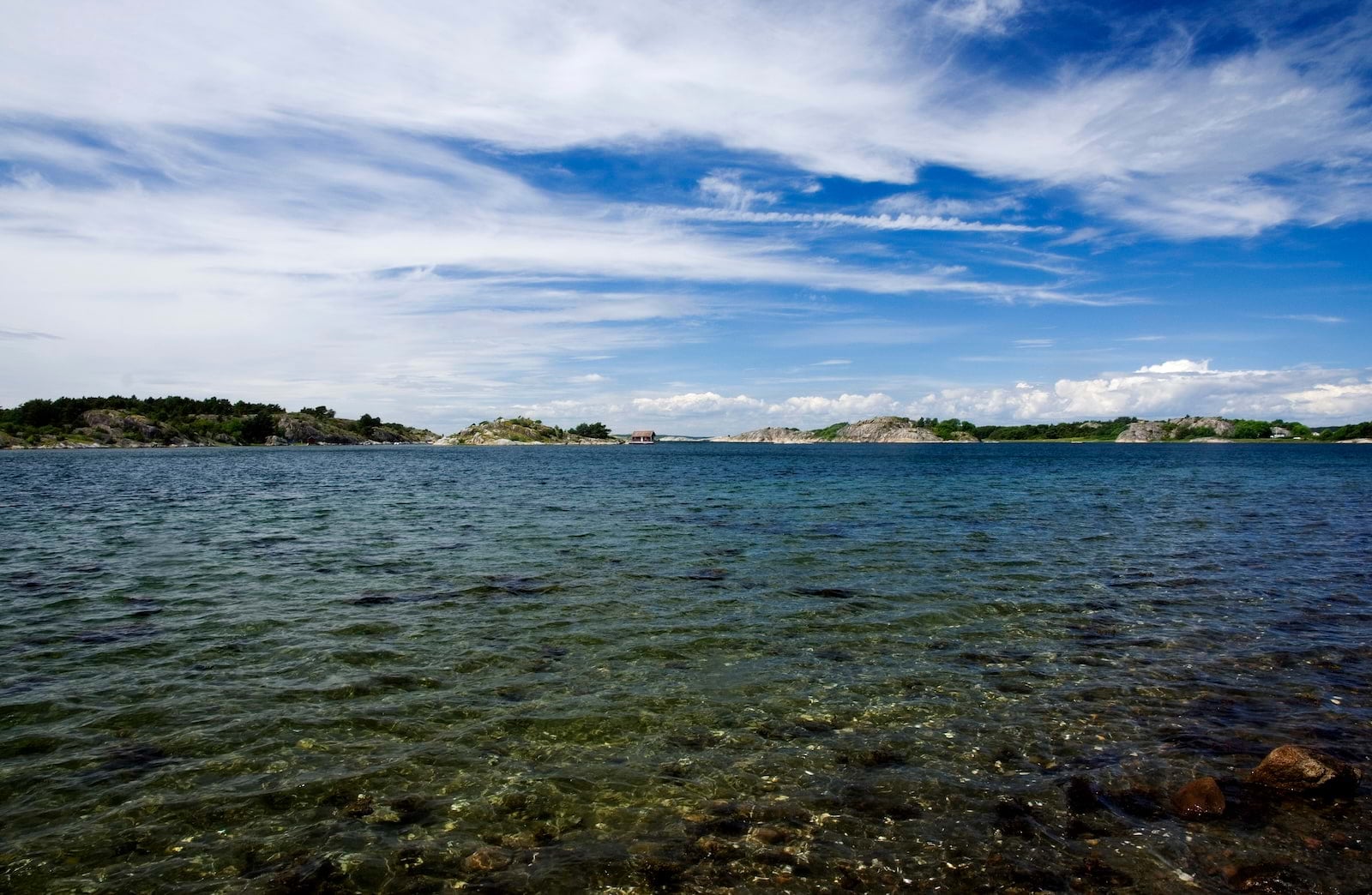
Sweden's first marine national park
Beneath the surface of the Koster Sea, flora and fauna teem. Among other things, there are reefs of cold-water corals where hundreds of animal species thrive, some of which live only here.
This is Sweden's first marine national park and it mainly consists of water and underwater environments, but also includes parts of the island of Rossö and some islets and skerries.
If you're curious to learn more about life in the blue, Naturum is an information centre where you can get answers to all questions about the area, collect maps and view films, slideshows, guided tours, lectures and brochures about Kosterhavet. You'll find it near the Ekenäs pier on Sydkoster.
-
Ekenäs
- Website
- Read more on Thatsup
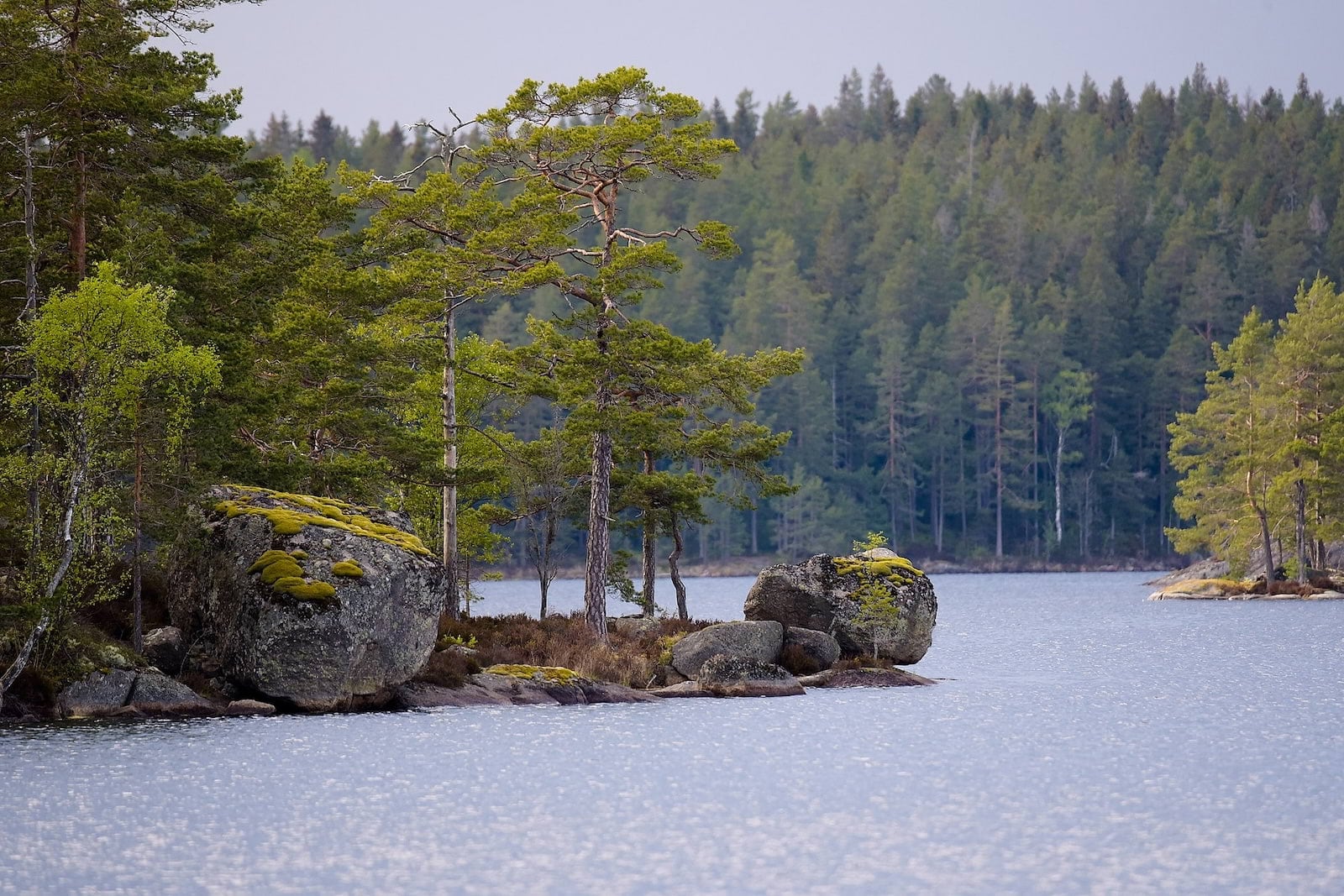
The Legends' Forest
The Tiveden National Park lies between Vänern and Vättern and offers wilderness-like nature with large rock blocks, dense enchanted forests, mysterious caves and tranquil lakes. The area's unique nature sparks the imagination and has given rise to many legends, including the one about Junker Jägare and his unfortunate infatuation with a girl from the locality. Don't miss Junker Jägare's own glacial erratic, one of the park's largest, accessible by following the white-marked Junker Jägare circuit from Vitsand about 600 metres. There is also the slightly more demanding and undulating Troll Church Circuit, which is 4.6 kilometres.
-
Tivedens nationalpark, Tived
- Read more on Thatsup
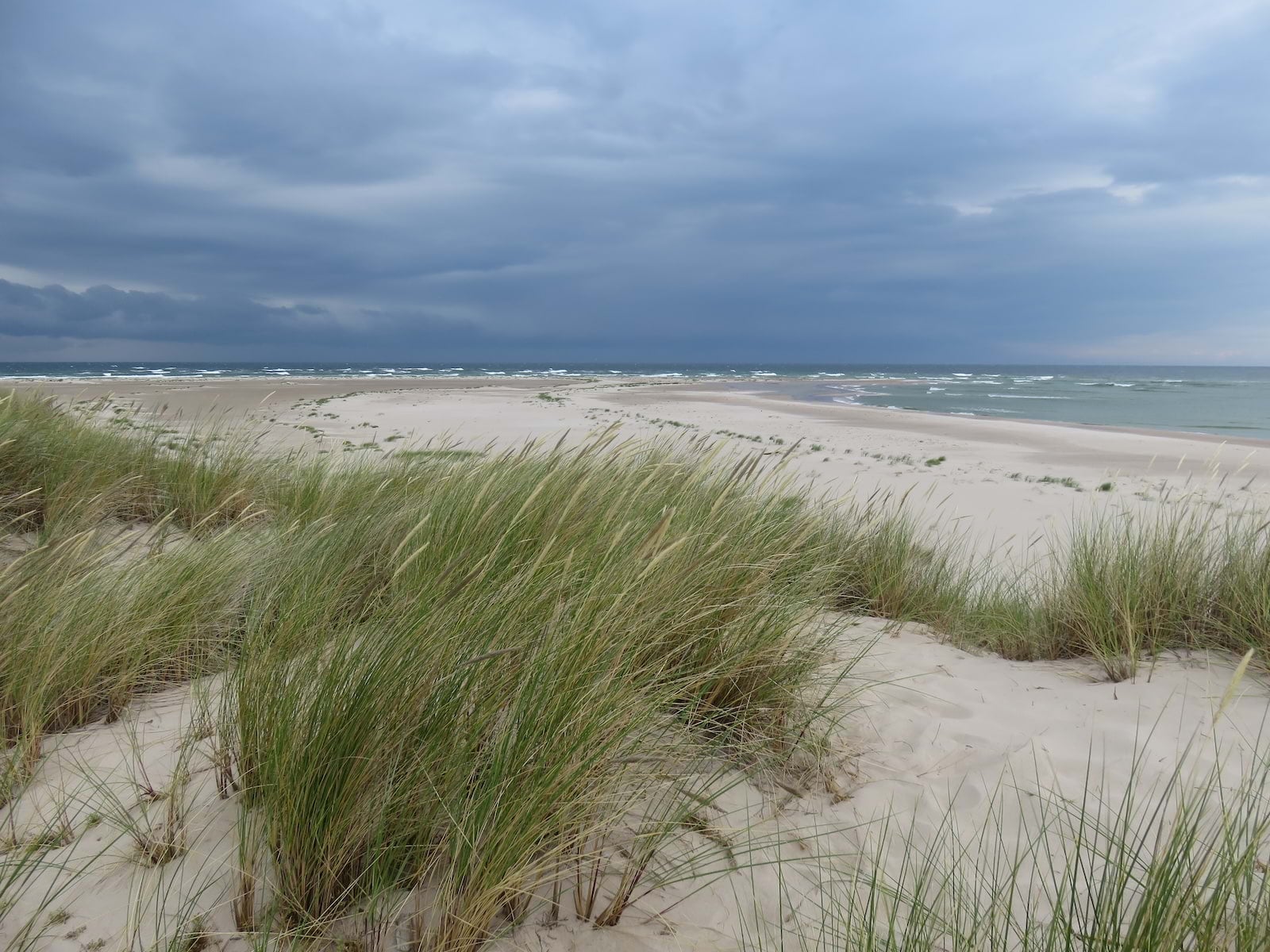
Rolling sand dunes
The Baltic Sea's loneliest island – does that appeal? If so, you should head to Gotska Sandön, which lies off Fårösund on Gotland and is accessible by private boat or boat tour in the summer, a journey that takes about 3 hours 30 minutes from Nynäshamn and 2 hours 15 minutes from Fårösund. On arrival, miles of sandy beaches and deep pine forests await, along with beautiful hiking trails and the option to stay overnight in a cottage or tent.
-
Fårösund, Gotland
- Website
- Read more on Thatsup
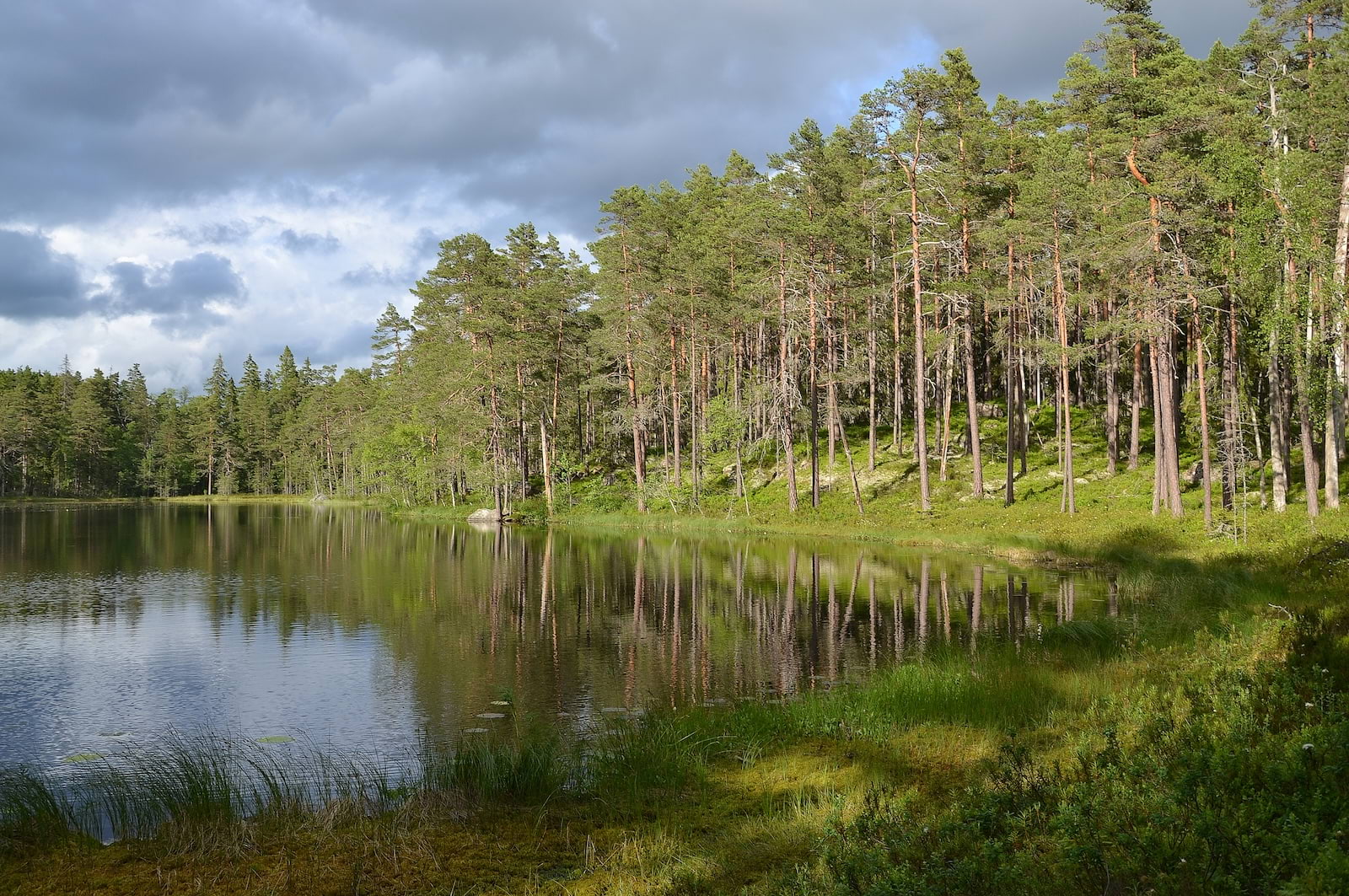
Reminiscent of wilderness
The Småland nature in Norra Kvill offers scenery that resembles wilderness, with uprooted trunks, massive boulders and ancient, tall trees – some pines are as old as 350 years and some spruces are 35 metres tall and 2.5 metres in girth. The forest has stood undisturbed for over 150 years and offers magical views. If you want to hike, there are two short trails of 2.5 kilometres and 4 kilometres respectively. Camping is not permitted in the area, but just outside on the small peninsula Näckön there is both a rest area and the opportunity to camp.
-
Rumskulla
- Read more on Thatsup
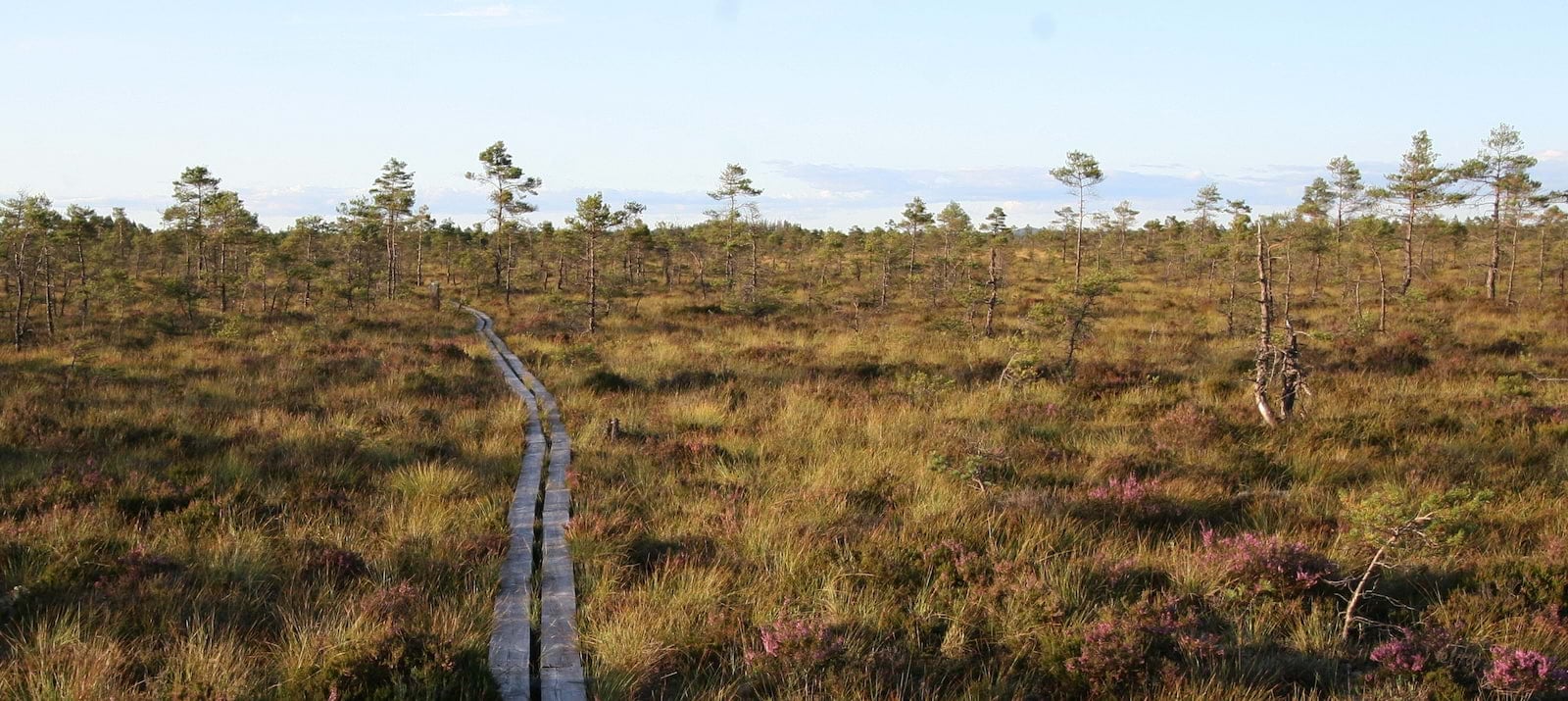
Southern Sweden's largest peatland
The name perhaps reveals what kind of nature dominates this national park. It is, of course, a peatland, but not just any peatland, but the largest in southern Sweden. You can walk on boardwalks over the bog, learn more about the area at Naturum Store Mosse vistor centre at the main entrance, and climb up the large bird tower and watch birds from twelve metres high. Feel like a hike? Then there is the Lövö runt trail, which at 3.6 kilometres takes you through the forest and along the sand ridges.
-
Store Mosse nationalpark
- Website
- Read more on Thatsup
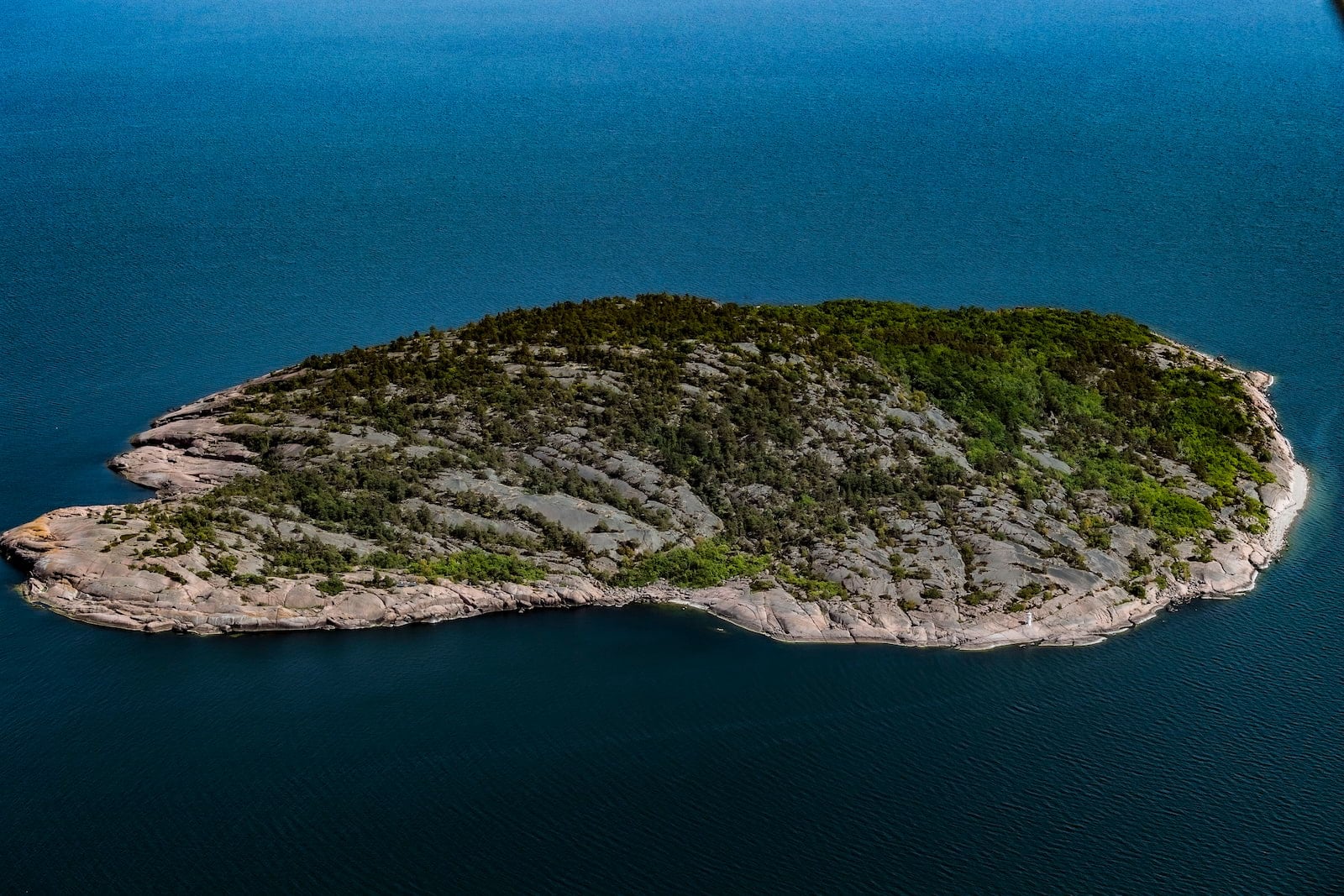
The real Blåkulla
The mythic island Blå Jungfrun isn't just any island – it's said that witches fly here on their brooms to celebrate a witches' sabbath with the devil on Maundy Thursday. Blå Jungfrun is also called Blåkulla and is an island consisting of a grey-blue granite dome that rises 86 metres above sea level in the Kalmar Sound, between Oskarshamn and Öland. The mighty nature captivates almost everyone, except for Carl von Linné who after his visit in 1741 described the island as follows: “For if any place in the world looks dreadful, surely this is one of the cruellest.”
-
Löttorp
- Read more on Thatsup
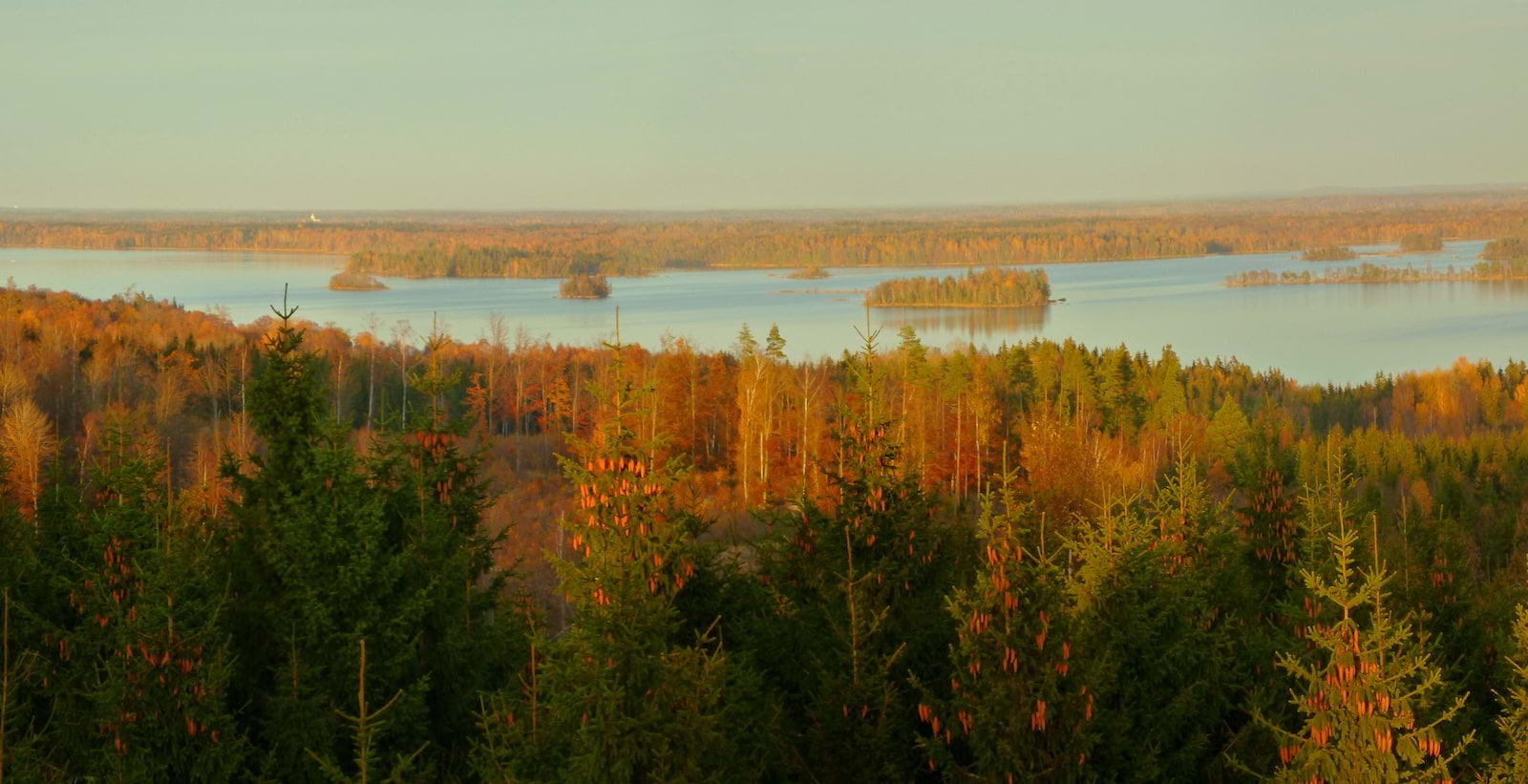
Wilderness, water and islands
Åsnens National Park consists largely of a lake archipelago, with over 1,000 islands and 700 kilometres of coastline. Many plants and animals thrive here, not least in the beech forest at Bjurkärr which is very old and resembles ancient woodland. The national park also attracts walkers of all ages who are fascinated by the mythical Trollberget and the cave on Åsnen's western side. Trollberget is reached via the entrance of the same name, from which you follow a 300-metre circuit (adapted for prams and wheelchairs) to reach Trollklyftan, where the trolls are said to celebrate Christmas.
Thanks to such a large portion of the national park consisting of water, it's excellent for paddling through. There are also cycle routes for those who like to get around by bike. Åsnens National Park is in the municipalities of Alvesta and Tingsryd and on the border with Växjö Municipality in Småland.
-
Strandvägen, Lönashult
- Read more on Thatsup
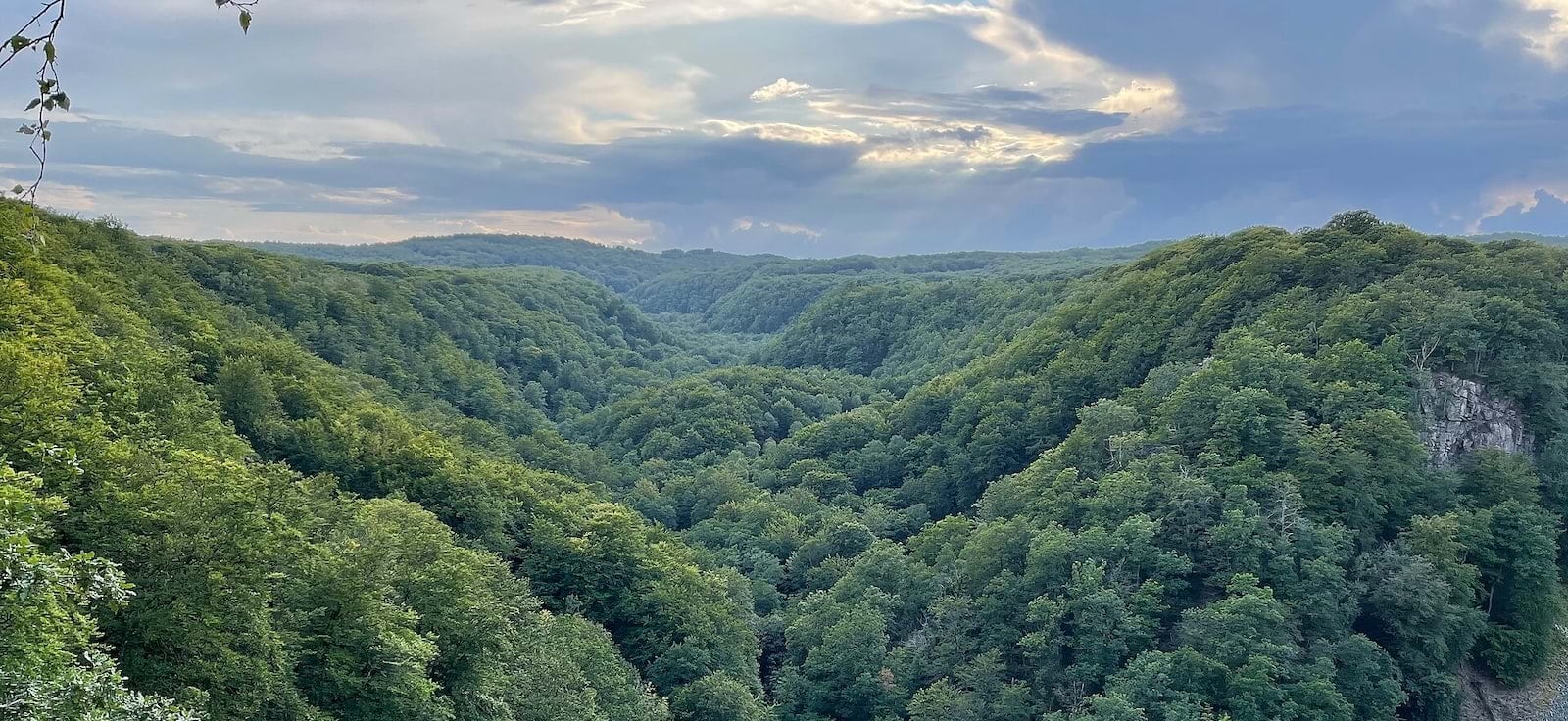
Lush deciduous forests
To the east of Helsingborg in Skåne lies Söderåsen National Park and its lush deciduous forests. Crowds of visitors come to hike through the deciduous forests, admire the rift valleys and the mighty cliffs at Skäralid, take in the views from Kopparhatten, Hjortsprånget and Lierna, and bathe and fish in Lake Odensjön in Nackarpsdalen.
-
Skäralid 747, Ljungbyhed
-
Website
•
Söderåsens nationalpark
010-224 10 00 - Read more on Thatsup
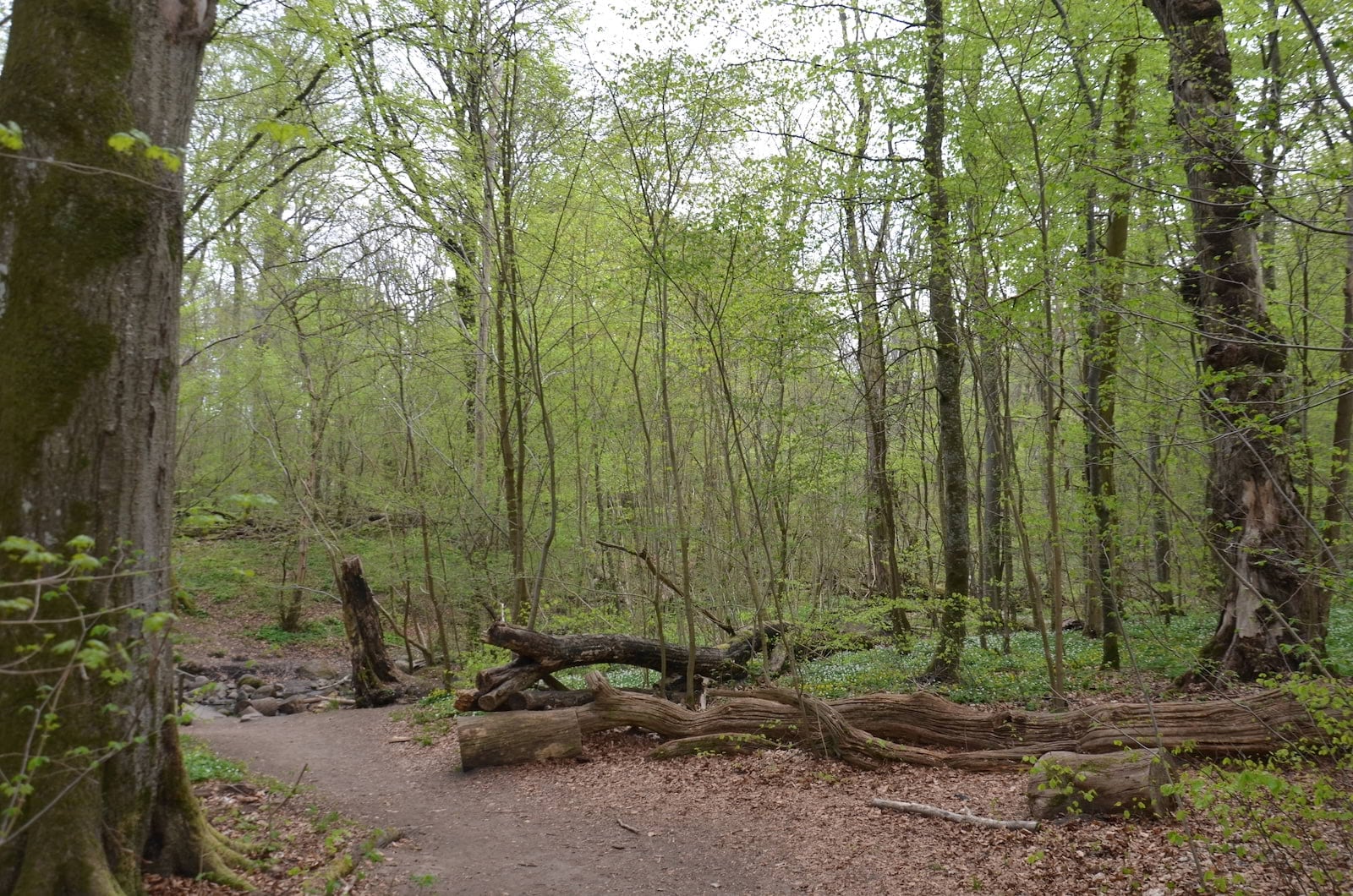
Europe's smallest national park
Dalby Söderskog, at 36 hectares, is Europe's smallest national park and is easily reached by bus or car from Lund. The park is at its most beautiful in spring, when the crowns of deciduous trees are bursting with chlorophyll and the wood anemones on the slopes are in bloom. The small park doesn't have any long hikes, but there are two circular trails here: firstly the 600-metre-long Bökebackeslingan, an accessible path through lush greenery, and the 2.3-kilometre-long Kroppekärrsrundan that takes you around the entire national park. Both hiking trails start at the national park entrance at the southern end.
Skåne's coastal landscape
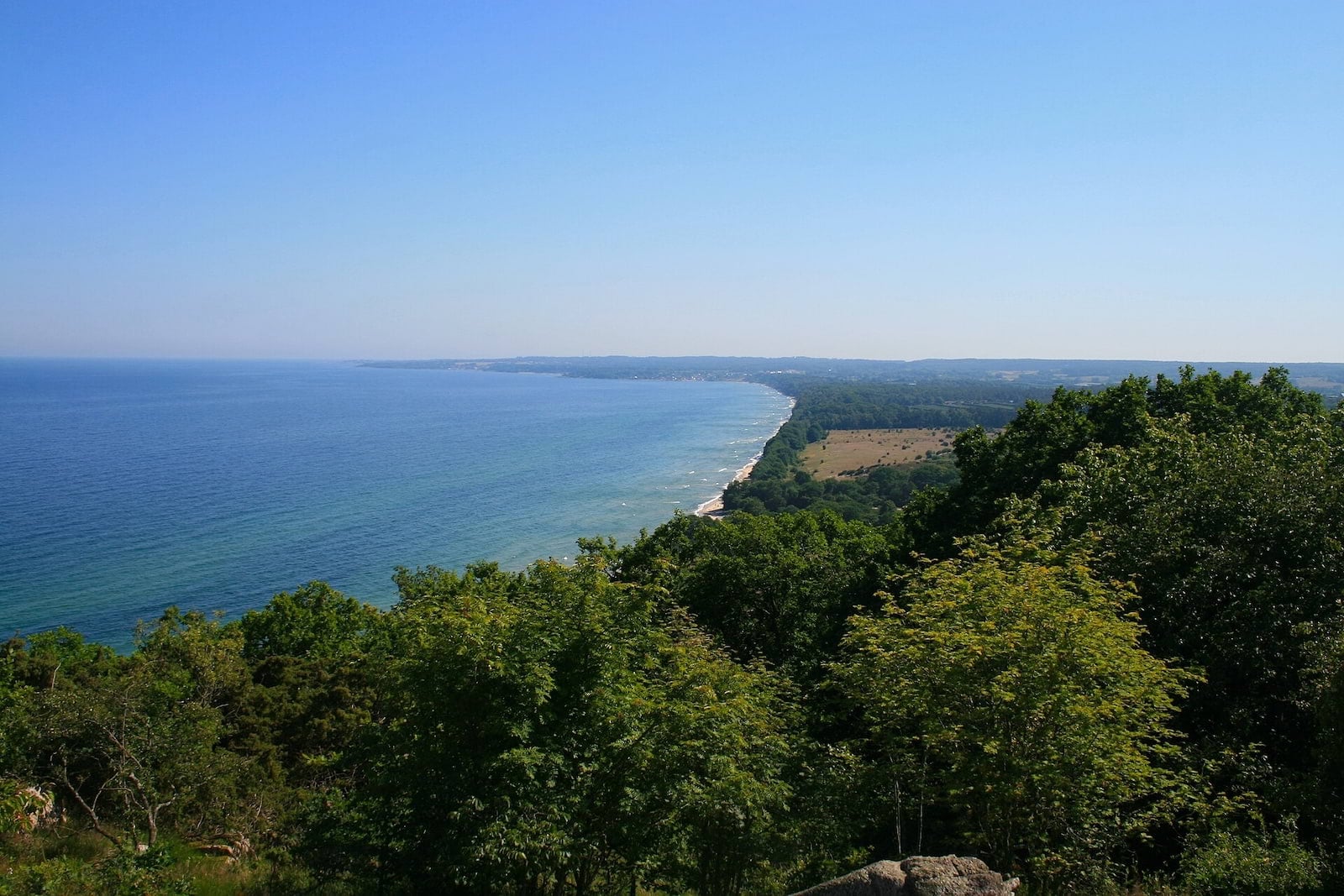
In the Scanian region of Österlen, Stenshuvud National Park spreads out with beech and oak forests, beaches and viewpoints. The highest peak, Stenshuvud, is 97 metres above sea level and has given its name to the national park. According to legend, the giant Sten, also known as the Stenhogubben, lives with his family and cattle inside the rock. If you hike up to the summit, you have three viewpoints overlooking the sea. At the main entrance sits Naturum Stenshuvud visitor centre where you can get answers to your questions, discover fascinating facts about the area's nature and plan your visit to the national park. 500 metres from there is a popular sandy beach that attracts many visitors.
-
Simrishamn N, Kivik
-
Website
•
Stenshuvuds nationalpark
010-224 24 00 - Read more on Thatsup
- Sverige
- Guides
- Tourism & Travel
- The guide to national parks in Sweden