


Football Stadium Food Evolution Across Premier League Clubs
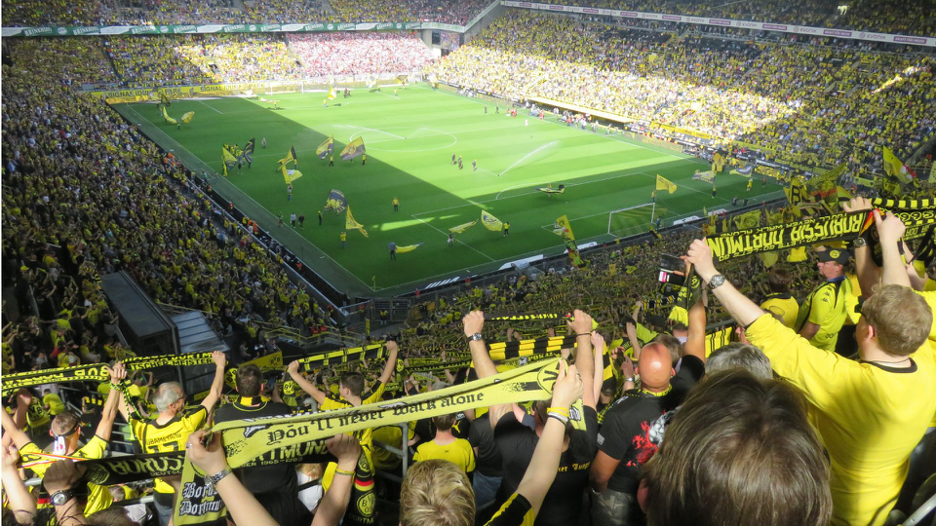
The delicious offerings available at Premier League stadiums have dramatically changed since the traditional vendor classics through new age culinary creations. The original matchday tradition of eating greasy chips paired with dubious meat pies has transformed into a diverse selection of food which represents shifting customer preferences and multiculturalism along with football club initiatives to boost game-day earnings.
The Humble Beginnings: Pies, Bovril, and Tradition
Mass consumption of foods available at English football stadiums originated from traditional working-class British cuisine. The meat pie stood as a football stadium feeder for numerous seasons as fans combined it with steaming Bovril beverages to survive British winter temperatures. During early Premier League betting times fans would participate through local bookmakers before the match while enjoying straightforward pies and Bovril as their simple stadium fare. Just like betting services during that time the matchday food presented simple fare which fulfilled basic needs without fancy additives.
Traditional matchday food at Everton and Newcastle United became part of saturday ritual but fans initially rejected innovations to these dining traditions. The meat pie emerged as an essential component of the football experience because generations of fans have received it as family transfer from one another.
Corporate Influence and the Stadium Food Revolution
When the Premier League started operations in 1992 it opened an essential chapter in the history of both English football stadiums and stadium food services. Clubs received more expensive television revenue which enabled them to shift their focus to upscale fan bases and the food choices in stadiums started to grow. The Old Trafford stadium of Manchester United became the trailblazer by establishing different concession stands which displayed numerous menu options above basic stadium food selections.
The beginning of the 2000s brought American fast food establishments to permanent positions in the market. The North American stadium experience found its equivalents at Premier League stadiums through the introduction of burger stands and hot dog carts as well as offering pizza slices. The Emirates Stadium saw Arsenal make its migration in 2006 while bringing built-to-order dining spaces that served global foods in addition to fine dining features for executives.
Local Flavors and Cultural Representation
During the development of stadium food in the Premier League the cuisine gained features that paid tribute to the neighborhoods where teams built their supporter bases. The Anfield Restaurant at Anfield offers scouse stew exclusively to Liverpool team supporters but West Ham supporters can order East End staples pie and mash with liquor at London Stadium.
The many cultures present in Premier League towns determine what stadium contestants buy. The new Tottenham Hotspur Stadium offers Korean and Middle Eastern food to its visitors due to the club's owners who are of Middle Eastern descent.
Sustainability and Modern Health Consciousness
Stadium food services underwent extensive changes under the influence of environmental concerns and health-related issues since the start of the current era. The complete vegan food offering at Forest Green Rovers has inspired premier division teams to develop more plant-based food choices.
Fans of vegetarian and vegan diets have dedicated spaces at Stamford Bridge Stadium and Liverpool Football Club continues to develop plastic product reduction programs for food consumption. Sustainability-based programs in clubs display environmental knowledge by adopting ethical consumer patterns which exist throughout society as a whole.
The Premium Experience: From Pie Stalls to Fine Dining
Premium dining has experienced the most striking transformation among all changes in stadium culinary developments. Today fans at Manchester City club see five-course culinary creations prepared with elite chefs that precede match-time dining.
Premium food offerings construct separate dining levels that resemble the social variations within the football industry. Traditional fans continue to line up for pies yet corporate customers consume lobster and champagne from elegant dining areas that operate only meters apart thus representing football's widespread.
Technology and Convenience
Modern digital technologies have not circumvented the stadium concession food sector. Visitors at Tottenham Hotspur Stadium and the Emirates can order food through mobile applications allowing them to get their meals during matches without missing crucial game events. New technologies have improved matchday concessions through advanced operations after several years of queueing difficulties.
In closing
Premier League stadium food tells a larger history than simple food provisioning since it represents how English football developed. The cultural and economic transformation of football is reflected in the development of working-class meat pies into global international cuisine.
The proliferation of upscale dining selections in stadiums continues alongside continued presence of traditional dietary favorites by numerous athletic clubs. At every level of modern English football stadiums you can find traditional meat pies which serve as an authentic tribute to the heritage of the sport despite the growing commercialization. English football clubs effectively balance their past heritage with contemporary profit-making by achieving a proper balance between innovation and tradition.