


 All event dates have expired.


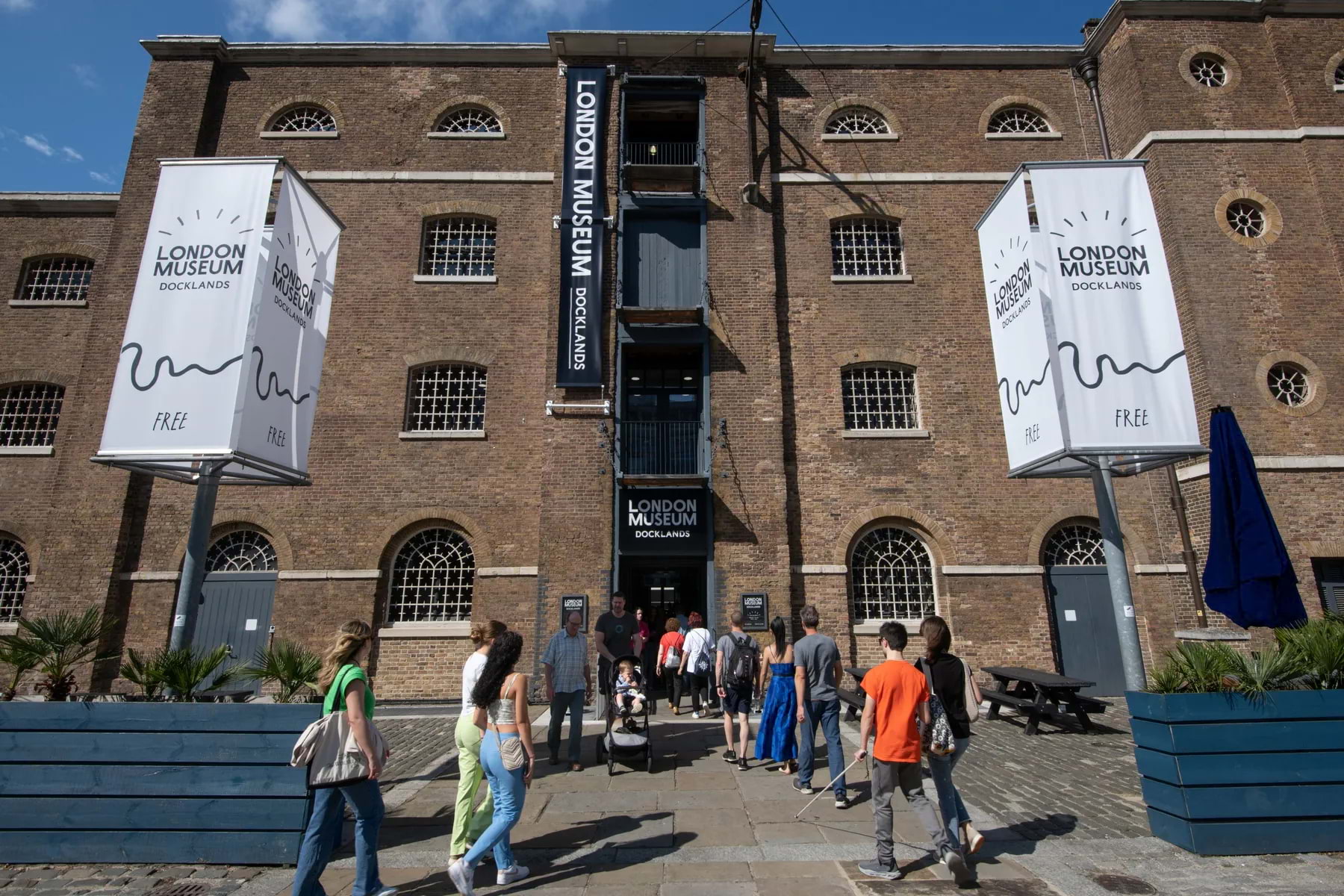
At the London Museum Docklands, 'London Sugar & Slavery' doesn't shy away from the city's role in the transatlantic slave trade. The exhibition traces the fortunes built on sugar and the docks, revealing how wealth derived from human suffering flowed into banks, insurance firms, government coffers, shipbuilding, and numerous businesses, weaving the trade into London's identity and economic fabric.
The gallery delves into the hidden histories that most city guides overlook. While Liverpool, Bahia, and Rio de Janeiro transported more enslaved people, it was London that reaped the greatest profits. You'll hear about Caribbean rebellions, Londoners sharing anti-slavery literature, and sugar boycotts that chipped away at the trade. Even after abolition in 1833, the cruel apprenticeship system kept people in near-slavery until it was finally scrapped five years later.
The accompanying talks are what make the exhibition hit harder. Instead of leaving you with a neat conclusion, they dig further into the uncomfortable parts of London's history that are too often left out. It's one of the few places in the city where these conversations happen with real depth.
'London, Sugar & Slavery' has been on display at the Museum of London Docklands for over 16 years. When it first opened, it was one of just two permanent UK galleries dedicated to this history. The exhibition is open daily from 10am to 5pm.