


Greyhound Racing Explained: A Beginner's Guide to the Track

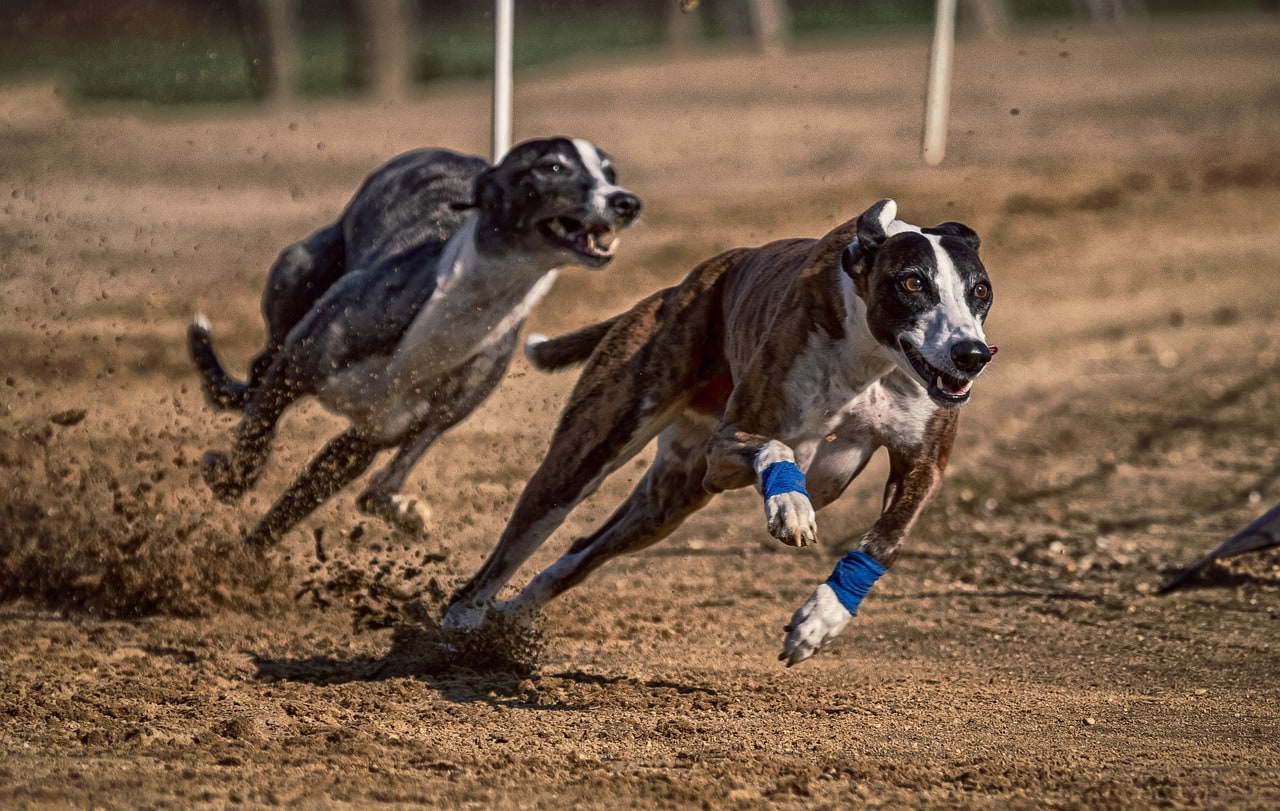
Greyhound racing is an exciting and fast-paced sport that has captivated audiences for decades. Whether you’re heading to your first race or simply curious about how it all works, this guide will walk you through the basics of greyhound racing and get you up to speed. It’s a sport that combines athleticism, strategy, and a vibrant atmosphere—and once you understand how it works, you might find yourself hooked.
A Brief History of Greyhound Racing
The origins of greyhound racing trace back to coursing, a hunting sport where greyhounds chased live game. The earliest records of greyhounds used for hunting date back to ancient Egypt, where they were revered for their speed and grace. Modern greyhound racing began in the early 20th century in the United States, with the first circular track and mechanical lure introduced in 1912 by Owen Patrick Smith. The sport quickly spread to the UK, Ireland, and Australia, becoming a popular form of entertainment and a staple at many venues.
Instead of chasing live prey, greyhounds now pursue a mechanical lure on an oval track, making the sport more humane and standardized. Today, thousands of races are held annually, attracting fans, punters, and animal lovers alike.
Understanding the Track
A typical greyhound racing track is oval-shaped, with distances usually ranging from 250 to 750 meters. Each race features six to eight greyhounds, each starting from individual stalls known as traps. These traps are numbered, and dogs are assigned both a number and a coloured jacket corresponding to their trap position. The inside traps (e.g., 1 and 2) are often favoured by bettors, depending on the dog's running style.
Tracks are well-maintained and may vary in surface type—usually sand or loam—which can influence a dog's performance depending on the "going" or surface condition.
Key Racing Terms
To get the most out of your racing experience, it's essential to understand a few key terms:
Trap Number: The starting position assigned to each dog.
Grade: A classification that groups greyhounds of similar ability.
Going: Refers to the condition of the track surface, such as fast, good, or slow.
Sectional Time: The time it takes a dog to run a segment of the track, typically the first split.
Race Card: A program listing the races, greyhounds, trainers, previous performance data, and other essential info.
Other terms you may encounter include early pace (a dog's acceleration from the traps), stayer (a dog suited for longer distances), and rail-runner (a greyhound that prefers running close to the inside rail).
How a Race Unfolds
Before the race, greyhounds are paraded in front of the crowd, giving spectators a chance to observe their physical condition, behaviour, and readiness. Observing this parade can give clues about which dog may perform well.
Once the dogs are loaded into the traps, a mechanical lure shaped like a hare or bone is released, and it travels along a rail on the inner track. When the lure reaches the right spot, the traps open simultaneously, and the race begins. The greyhounds, trained to chase the lure, sprint at high speeds—reaching up to 45 mph—until one crosses the finish line first.
Getting Involved
Part of the fun of attending the races is placing a bet. Greyhound betting is deeply ingrained in the sport and can enhance the experience by adding an element of excitement and strategy. Betting options include:
Win: Pick the dog that finishes first.
Place: Your dog must finish in the top two.
Each-Way: A combination of win and place.
Forecast: Pick the first two dogs in exact order.
Tricast: Predict the top three in correct order.
More advanced bets like combination forecasts and reverse tricasts offer higher potential returns but come with greater risk.
Researching form, studying the race card, and observing the parade can help inform your selections. Many experienced punters track data, compare trainer statistics, and analyse running styles. As always, gamble responsibly.
Tips for First-Time Spectators
Study the Race Card: Learn about each greyhound's form, past performances, and trap position. See how they’ve performed over similar distances and going conditions.
Watch the Parade: Look for signs of focus, alertness, and physical condition. Dogs that appear calm but attentive may perform better.
Don’t Rely Solely on Odds: Odds reflect public opinion and market movement—not always performance indicators.
Start with Small Bets: If you're new to greyhound betting, stick to basic wagers to get a feel for the process.
Enjoy the Atmosphere: There's a thrill in watching the race unfold live, so take time to soak in the experience.
Talk to Regulars: Veteran racegoers are often happy to share tips or insights.
The Culture of Greyhound Racing
Beyond the races themselves, the social atmosphere is a big draw. From casual punters enjoying a night out to families cheering from the stands, it’s a community-driven event. Many tracks offer restaurants, bars, and even family-friendly areas, making it accessible to a wide range of audiences.
Final Thoughts
Greyhound racing offers a unique blend of speed, strategy, and entertainment. Whether you're watching as a fan or dabbling in greyhound betting, understanding the basics will make your experience more enjoyable. It’s a sport steeped in tradition and evolving with time, with increasing attention to animal welfare and racing standards. So grab your race card, place a bet if you fancy, and immerse yourself in the adrenaline-filled world of greyhound racing.