


Smart Trip Planning Strategies For Exploring UNESCO Heritage Sites

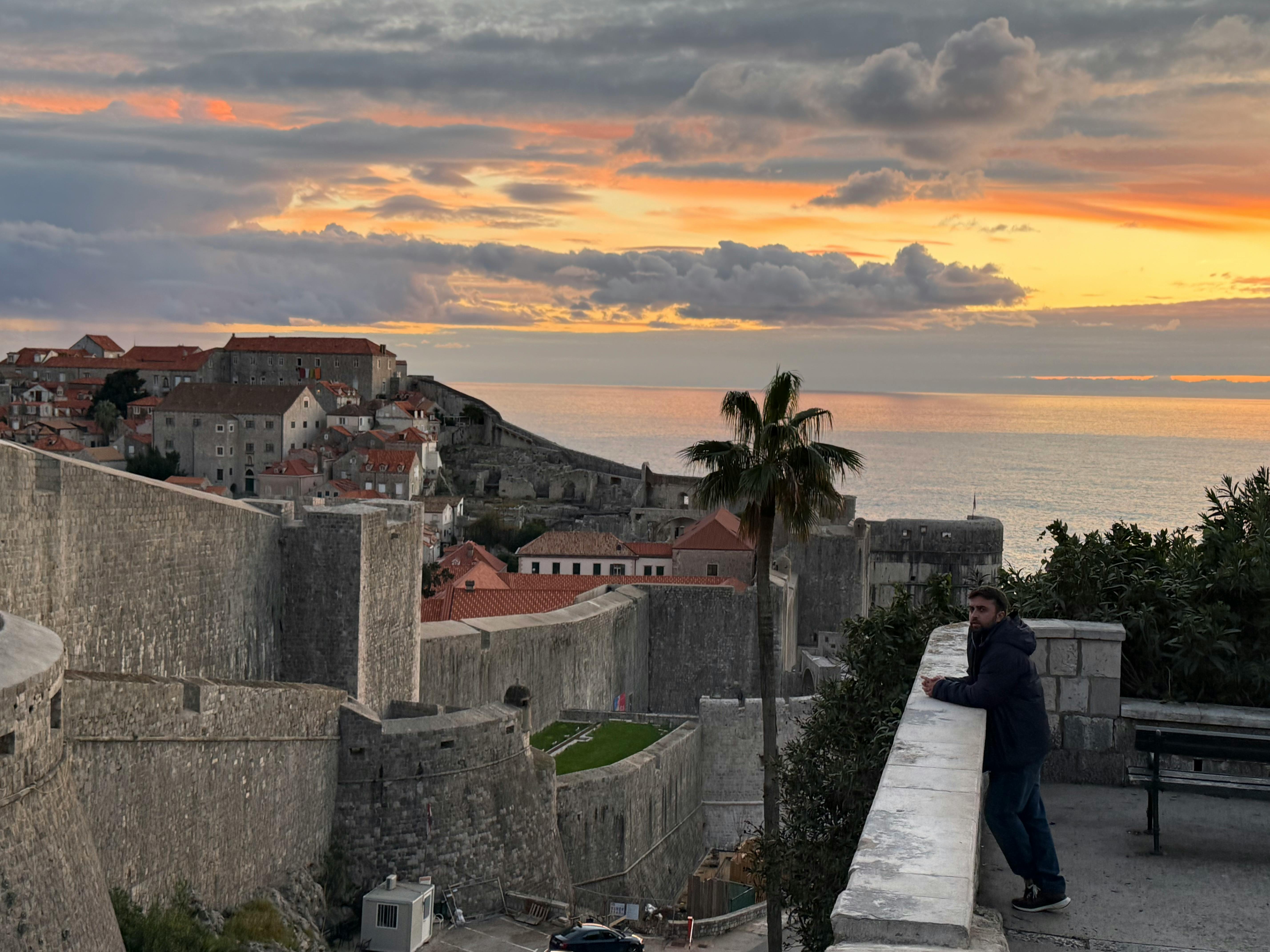 UNESCO Heritage Sites offer a rare chance to step into history and experience the world’s most treasured landmarks. Travelers want reliable ways to explore these places without stress and with enough time to appreciate every detail. Clear planning helps avoid long lines, crowded walkways, and sudden changes that disrupt the experience.
The country holds several UNESCO sites that attract visitors from across the world. If you are traveling to Spain first, then tools like a travel eSIM for Spain help organize routes, compare transport choices, and view local information instantly. Careful preparation ensures smoother days when exploring cities such as Córdoba, Seville, Granada, Madrid, and Barcelona.
Early Research For Key UNESCO Locations
Travelers who explore UNESCO sites benefit from understanding each location’s history before arrival. The country holds landmarks such as the Alhambra, Sagrada Família, and the Cathedral of Seville, each with unique stories and architectural styles. Knowing the background adds depth to every visit.
Lesser-known UNESCO locations across Castilla-La Mancha, Asturias, and Aragón also deserve attention. Early research helps travelers prioritize which regions fit their plans. This approach prevents rushed itineraries and supports a more meaningful cultural experience.
Cost-Effective Routes Across Regions
The country provides affordable travel choices for visitors exploring major heritage sites. Low-cost buses move across key routes, and regional trains reach smaller UNESCO towns. Students, backpackers, and families appreciate how predictable transport schedules feel. Planning routes becomes simpler with steady mobile access. A map check, ticket scan, or quick route comparison saves time during busy hours. This approach ensures a smooth travel experience across different regions.
Helpful Packing Ideas
Travelers benefit from practical packing habits:
- Keep lightweight clothing for warm southern areas
- Carry a refillable bottle to stay comfortable during long site visits
- Bring compact sunscreen and a hat for open-air historical zones
These items help maintain comfort during long walks through historic districts, museums, and open plazas.
Local Tips For Navigating Crowds
Heritage attractions draw visitors throughout the year, especially at popular sites like the Alhambra, Park Güell, and historic Madrid zones. Many travelers feel overwhelmed during peak hours. Awareness of crowd patterns helps reduce stress. Arriving early improves the experience. Late afternoons also provide quieter moments in many cities. Staying flexible allows visitors to shift plans when needed. The country rewards those who adjust their schedule to local rhythms.
Smart Connectivity Tools For Smooth Travel
Reliable internet access supports better decision-making. Many travelers avoid costly roaming by using a travel eSIM for Spain during their trip to Spain. This provides access to tickets, museum updates, and city alerts while moving between UNESCO locations. Public Wi-Fi appears in cafés and hotels, yet coverage stays inconsistent around large historical areas. A strong data connection ensures visitors stay informed and prepared throughout the day. This leads to fewer delays and a more organized travel experience.
Regional Choices That Shape Itineraries
Different regions offer distinct styles of heritage and culture:
- Andalusia for Moorish palaces and ancient architecture
- Catalonia for modernist landmarks and lively cultural districts
- Castilla y León for medieval cathedrals and stone-built towns
These regional options help travelers manage time and avoid unnecessary costs. The variety makes it easy to create itineraries that feel rich and balanced.
Budget Awareness
Exploring UNESCO sites remains affordable when travelers build budgets with simple daily plans. Some regions offer discounted entry for students and early bookings. Local markets also support low-cost meals that keep expenses predictable. Public transportation stays friendly for budget travelers. Choosing regional passes or booking early helps stretch travel funds. Many heritage areas offer hours of free exploration across surrounding streets and plazas.
Safety And Comfort Tips
Visitors exploring UNESCO zones should take simple precautions. Narrow streets, uneven steps, and large crowds can cause distractions. Carrying a small bag keeps valuables secure during busy hours. Comfortable shoes make a noticeable difference during long days around historic areas such as Seville, Córdoba, or Granada. Wide heritage zones require steady pacing to prevent fatigue. Awareness and simple planning support a comfortable experience.
Time Management For Multi-Site Days
Travelers who want to visit more than one UNESCO location in a single day need a simple time plan. A clear schedule prevents rushed visits and creates room for breaks. Many visitors begin with the site that requires timed entry, then move to open plazas or free-access historic areas.
Short rest periods between locations help maintain energy during long walks and museum tours. Planning realistic hours for meals also keeps the day balanced. A steady pace improves the overall experience and allows travelers to appreciate each landmark without stress or fatigue.
Travelers who plan ahead enjoy a smoother and richer journey while exploring UNESCO Heritage Sites across the country. Early research, regional planning, budget awareness, and reliable connectivity support stress-free movement. These historic places feel more meaningful when visitors stay organized. Clear choices, simple tools, and flexible timing help travelers appreciate each landmark at its best and return home with lasting memories.