


Where London’s Top Cafés Get Their Beans: Inside the Roasting Scene

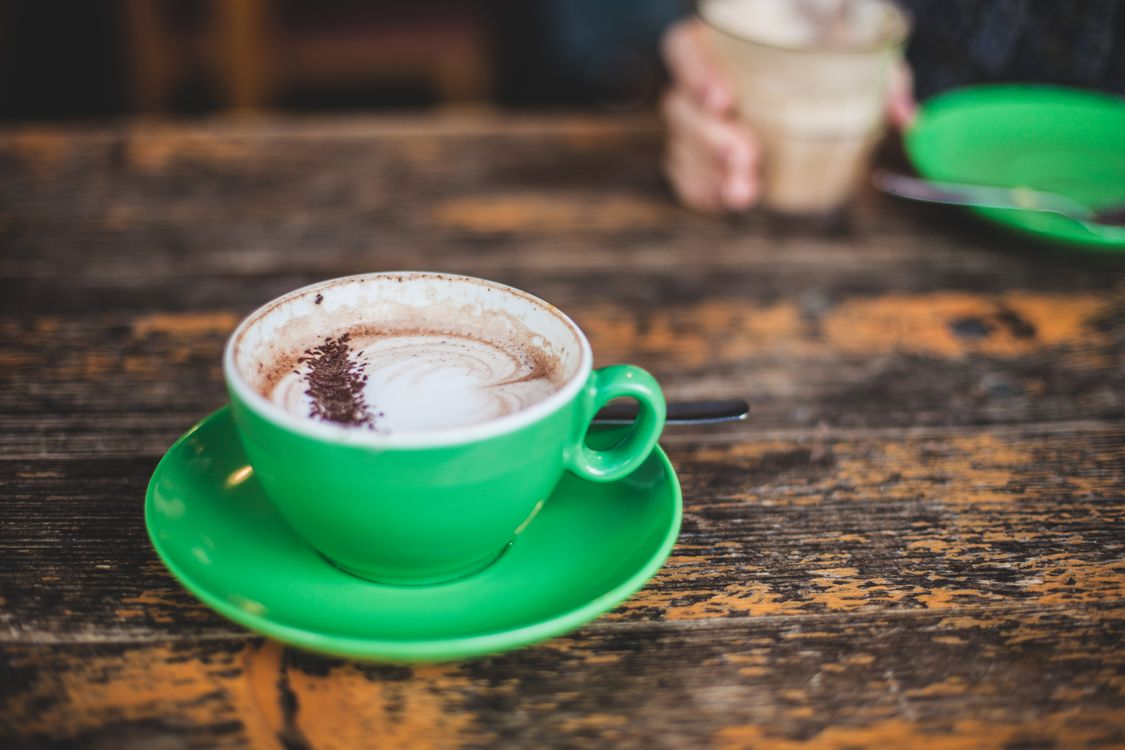
Stroll into almost any independent café in Shoreditch, Bermondsey or Brixton and there’s a good chance you’ll find an origin story pinned somewhere near the counter: a farm name, a country, a processing method. While it might look like standard coffee-shop decoration, it’s really a sourcing declaration.
For many of London’s most respected cafés, a commitment to quality starts long before the espresso machine is switched on each morning. Behind every bag of roasted coffee sits a supply chain that stretches from coffee farms in Colombia, Ethiopia or Guatemala to green-coffee importers, roasters and finally the café itself. Understanding where London’s best cafés get their beans means looking beyond roasting and into the world of green coffee.
What is green coffee?
Green coffee is simply coffee before it has been roasted. After coffee cherries are harvested, processed and dried at origin, the seeds are exported as unroasted green coffee beans and shipped around the world. By the time a sack arrives at a London roastery, most of the factors that shape flavour have already been determined by variety, growing conditions, altitude and processing methods. As Dale Goulding from Green Coffee Collective explains: “It is easy to associate flavour with roasting technique, yet much of what we taste begins earlier in the growing cycle.” Roasting remains crucial, but its role is often to reveal characteristics already present within the bean rather than create them from scratch.
Why sourcing matters
London’s coffee scene has expanded over the last decade, alongside growing consumer demand for higher-quality coffee experiences. World Coffee Portal reports that the UK branded coffee shop market grew to more than 11,400 outlets in 2025, increasing demand for high-quality green coffee. As more cafés seek differentiation through flavour, origin and sustainability, sourcing has become a competitive advantage, with customers increasingly interested in where a coffee was grown, who produced it and how it was processed before it reached their cup. Many of London’s most respected roasters have built their reputations on understanding the relationship between sourcing, roasting and quality. Rather than treating green coffee as a commodity, they invest significant time in selecting coffees with clear provenance, consistent quality and traceable supply chains. This focus reflects a broader shift across the specialty coffee industry. Roasters are placing greater emphasis on origin information, producer relationships and transparency, recognising that many of the characteristics people value in the cup begin long before roasting takes place. What the industry has learned is that great coffee starts with great green coffee. Stored correctly in cool, dry conditions, quality green coffee can remain stable for many months, allowing roasters to buy carefully and plan inventory. Roasted coffee, by contrast, begins to lose freshness much more quickly once roasting is complete.
Where cafés actually get their beans
Most independent cafés don’t import coffee directly from producing countries, but instead work with specialist roasters, who source beans through a combination of importers, direct producer relationships and dedicated suppliers. These suppliers handle logistics, quality control, warehousing and traceability, allowing roasters to focus on roasting and blending. The model has evolved significantly over the last decade as the market has matured. Sourcing green coffee beans once meant relying on long-standing importer relationships and minimum purchase volumes that were beyond the reach of small operators. Today, however, specialist suppliers offer traceable coffees in much smaller quantities, opening the market to independent roasters and even home roasters. World Coffee Portal reports that the UK branded coffee shop market grew to more than 11,400 outlets in 2025, reflecting continued demand for higher-quality coffee and increasing interest in premium green coffee.
What roasters look for when buying green coffee
Buying green coffee beans without information about harvest year, processing method or producer is largely buying blind. Reliable suppliers provide details about the farm or cooperative, processing method, crop year and quality characteristics of the coffee. Those details help roasters make informed decisions and improve consistency between batches. For newcomers, flavour notes are often the first thing that catches the eye. But experienced buyers tend to look deeper. Processing methods, density, moisture content and harvest information often tell a roaster more about how a coffee will behave during roasting than descriptors such as “chocolate”, “berries” or “caramel”. This is one reason London’s best coffee shops invest so heavily in sourcing. By the time coffee reaches the cup, many of the most important quality decisions have already been made. The roasting matters, but the bean matters first.