


Where to Find the Best Pizza in Manchester Right Now

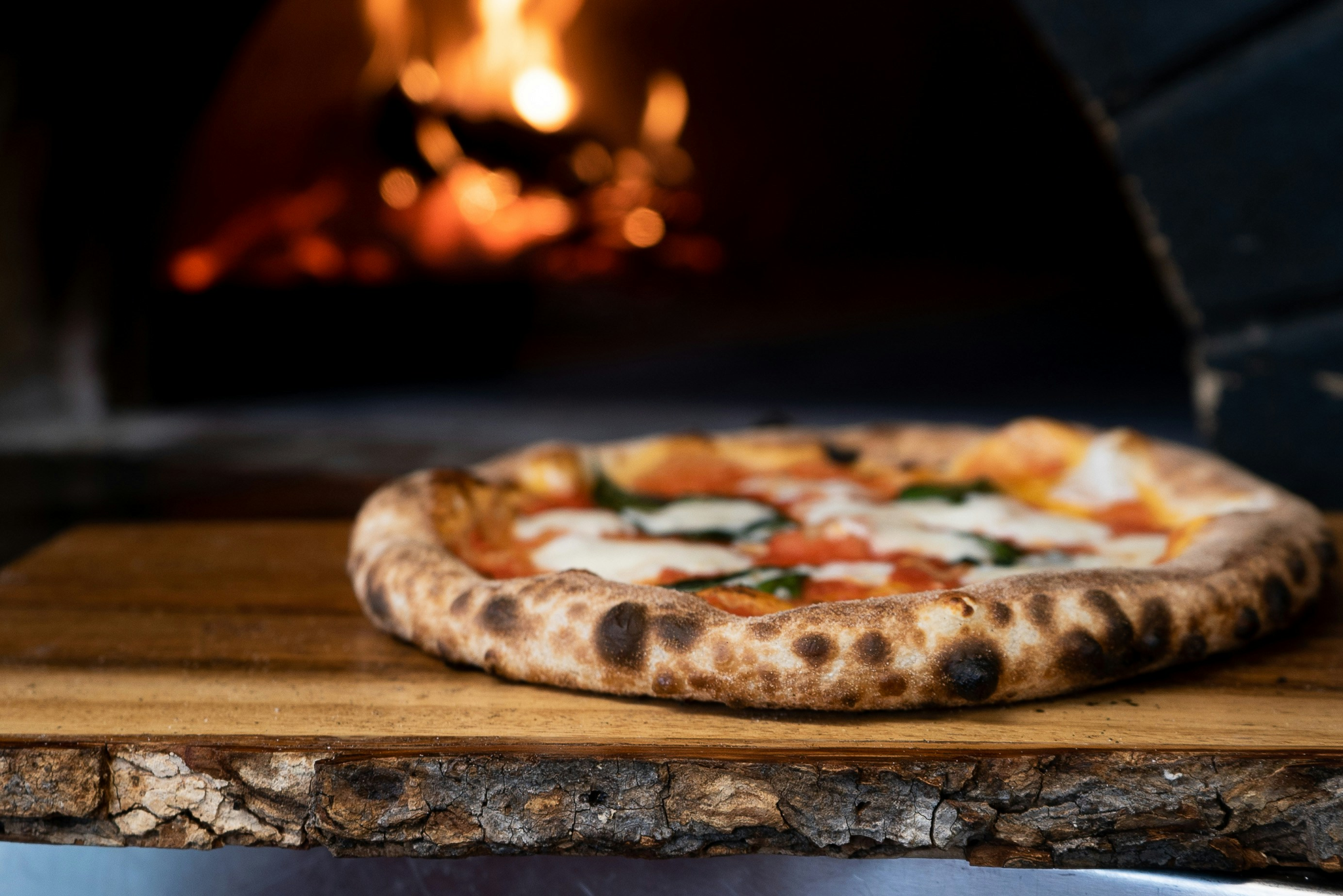
Manchester has never lacked for pizza. Between the Neapolitan specialists in Chorlton, the oversized New York slices in the Northern Quarter and the Italian trattorias that have held court in the city centre for decades, the competition for the top spot has been fierce for years. But 2025 brought a shift on Deansgate that changed the conversation.
The city’s pizza offering now runs deep enough that you can eat a blistered, leopard-spotted margherita at lunchtime, grab a thick foldable slice on the way to a gig and still end up arguing about which was better over a pint. That kind of range is what makes hunting for the best pizza in Manchester worth the legwork, and it rewards people who care about the details.
Why Neapolitan Pizza Took Root Here
Neapolitan pizza is deceptively simple, which is exactly what makes it so difficult to get right. The dough is wet, the bake is fast, and the margin between a perfectly charred cornicione (the puffy outer edge or rim of a pizza crust) and a soggy centre is measured in seconds. UNESCO recognised the craft of the Neapolitan pizzaiuolo on its Intangible Cultural Heritage list back in 2017, acknowledging a tradition built around hand-stretching, extreme heat and a short list of protected-origin ingredients.
That tradition has taken hold across Greater Manchester with several pizzerias now committing to slow fermentation and high-temperature ovens rather than cutting corners with faster doughs. The density of proper Neapolitan-focused spots in the city has reached a point where regulars develop opinions about hydration percentages and char patterns, which tends to keep everyone sharp.
A Deansgate Arrival with Local Roots
Pizza Pilgrims opened at 105-107 Deansgate in August 2025 and owners James and Thom Elliot chose the location deliberately. The brothers founded the brand in 2011 after driving a three-wheeled Piaggio Ape through Italy chasing that country’s best pizza. Both were born in Manchester, and they have spoken openly about waiting for the right space rather than rushing into a city they knew would hold them to a high standard.
The Deansgate site spans two floors with 140 covers, a mezzanine dining area and a masterclass kitchen on the top floor where you can book hands-on sessions with their pizzaiolos. A Stanley Chow mural anchors the interior, connecting the Neapolitan spirit of the brand to Manchester’s own visual culture. For the pizzas they have become famous for, they use Tipo 00 flour from the Caputo mill in Naples, DOP San Marzano tomatoes and Fior di Latte mozzarella sourced from Campania. The dough is double fermented over 24 hours and baked at 500 degrees Celsius, producing a base that blisters properly and stays light. Walk-ins are welcome, and a click-and-collect service covers takeaway.
The Competition Keeps Everyone Honest
A strong pizza city needs healthy rivalry, and Manchester has plenty. Double Zero in Chorlton earned serious recognition as one of the UK’s top pizzerias. Rudy’s started in Ancoats and expanded because demand outstripped what a single site could handle. Nell’s Pizza trades in oversized New York-style slices and has a following that borders on tribal. Proove, Noi Quattro and several others hold down the Neapolitan end across the city’s neighbourhoods.
That pressure is what stops any new arrival from coasting, and it tends to produce better food for everyone. If you want to explore the best Italian restaurants in Manchester more broadly, pizza is only one part of a much larger picture.
Ingredient Sourcing Sets the Bar
The difference between a decent pizza and a memorable one is often invisible until you taste them side by side. Fermentation time changes the flavour and texture of the base. Protected-origin San Marzano tomatoes, grown in volcanic soil south of Vesuvius, taste noticeably different from generic tinned plum tomatoes. Fresh Fior di Latte melts and pools in a way that pre-shredded mozzarella simply cannot replicate.
Manchester’s better pizzerias tend to be transparent about where their ingredients come from, and that transparency is worth paying attention to. A place that names its flour supplier or specifies “DOP” on the menu is signalling something beyond marketing. It narrows the odds of a good result, even if it cannot guarantee one every single time. That ingredient-led seriousness runs across the city’s dining scene; the Michelin Guide now lists over 20 restaurants in Greater Manchester, and many of the best new restaurants in Manchester share the same sourcing-first philosophy regardless of cuisine.
Beyond The Margherita
Toppings pulled from regional Italian traditions have started appearing alongside the classics on Manchester menus: friarielli (wild Neapolitan broccoli), Cetara anchovies and Piennolo tomatoes grown on the slopes of Vesuvius. Five years ago, these were rare finds in the city. Now they are increasingly standard at the better Neapolitan spots.
The shift also extends to what surrounds the pizza. Aperitivo culture has properly arrived. Crust dippers, Sicilian olives and well-made spritzes have become genuine complements rather than afterthoughts. Pizza Pilgrims runs a charity initiative called Dip to Donate, contributing 5p from every crust dipper sold to their charity fund, a small gesture that tends to reflect a broader operational attitude.
Manchester’s pizza landscape in 2026 is deeper, more varied and more discerning than it has ever been. Any new arrival has to earn its place alongside independents with years of local goodwill, and the people doing the eating know the difference.