


Why Are Men's Suits Always in Fashion?
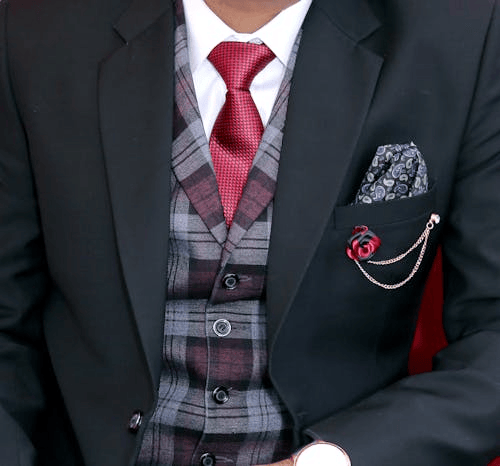
The men's suit has shown remarkable staying power unlike any other garment. From London's boardrooms to glamorous red carpet occasions worldwide, this timeless ensemble continues commanding respect and admiration. The suit represents far more than mere clothing, for it embodies sophistication, professionalism, and a profound understanding of sartorial excellence that effortlessly transcends the fleeting trends which dominate contemporary fashion. Gentlemen across the United Kingdom and beyond consistently choose this classic jacket and trousers combination for business meetings, weddings, or making a statement. The suit's lasting appeal lies in its versatility and timeless elegance.
The Timeless Appeal of Men's Suits Throughout History
The evolution of the men's Suit traces back centuries, with its modern form emerging during the Victorian era. British tailoring houses established standards of craftsmanship that continue influencing contemporary design. What began as practical attire for English gentlemen gradually transformed into a universal symbol of refinement. The suit's adaptability proved crucial during various historical periods, seamlessly transitioning from formal court wear to everyday business attire.
Cultural Significance Across Generations
Each generation has thoughtfully reimagined the suit in its own distinctive way, whilst carefully preserving the essential character and timeless qualities that have defined this garment throughout its remarkable history. The sharp-shouldered 1940s styles evolved into sleek 1960s cuts, then wider lapels followed. This cyclical nature demonstrates something truly profound about menswear, namely that certain fundamental foundations remain remarkably constant even as surface-level changes continue to evolve with each passing decade. British men know tailored suits create an unmatched impression.
The Psychology Behind Formal Dressing
Research confirms formal attire influences both perception and performance. When a gentleman dons a well-constructed suit, he frequently experiences a notable surge in confidence alongside enhanced cognitive functioning, which together enable him to perform more effectively in demanding professional situations. People perceive those wearing suits as more competent, trustworthy, and authoritative in professional contexts. This psychological aspect partly explains why suits remain prevalent in professional environments despite increasingly relaxed dress codes elsewhere. The suit serves as armour for modern life, offering protection and projection of one's best self.
Why Quality Tailoring Never Goes Out of Style
Superior construction is what sets exceptional suits apart from their ordinary counterparts. Hand-stitched lapels, floating canvases, and precisely cut patterns create garments that drape beautifully and last for years. When one invests in quality tailoring, one is purchasing a garment that has been specifically designed to improve gracefully with age rather than deteriorate, which represents exceptional long-term value. Premium natural fibres develop character over time, moulding to your body for a personalised fit.
Understanding Fabric Selection
Discerning gentlemen recognise that fabric choice fundamentally affects both appearance and longevity. Pure wool remains the gold standard for year-round versatility, offering breathability during warmer months whilst providing adequate warmth when temperatures drop. Merino and worsted weaves create smooth, lustrous surfaces ideal for professional environments. Those seeking latest men's fashion insights will discover that fabric innovation continues advancing, with technical blends offering enhanced performance without sacrificing elegance. Linen suits perfect for summer occasions complement heavier flannel options suited to British winters.
The Importance of Proper Fit
Even the finest materials cannot make up for a poor fit. Shoulders should align precisely with the wearer's natural shoulder line. Jacket length traditionally covers the seat whilst allowing approximately half an inch of shirt cuff to show. Trouser breaks vary according to personal preference, though contemporary styling favours minimal pooling at the shoe. Whilst these details might seem minor when considered individually, they collectively determine whether a suit appears genuinely bespoke or merely borrowed, making the difference between sartorial excellence and mediocrity.
How to Choose the Perfect Suit for Every Occasion
Building a versatile wardrobe requires strategic thinking about colour, pattern, and formality levels. Navy blue serves as the quintessential foundation piece, suitable for virtually any occasion that calls for formal attire. Charcoal grey offers similar versatility whilst conveying slightly more authority, which makes it particularly suitable for professional contexts where one wishes to project confidence and gravitas. Once basics are covered, consider adding subtle patterns.
Choosing appropriate attire for specific occasions follows well-established conventions and social expectations:
1. Business meetings require conservative colours and minimal patterns to convey competence and reliability.
2. Weddings permit lighter shades and bolder accessories, especially during spring and summer ceremonies.
3. Evening events typically require darker shades, with midnight blue or black being most suitable for formal dinners.
4. Casual social events allow for textured fabrics and unconventional colour pairings.
5. Celebratory dinners at outstanding London restaurants require balancing formality with personal style.
The Black tie suit represents the pinnacle of evening elegance, reserved for galas, formal dinners, and prestigious events. Understanding when such attire is appropriate demonstrates social awareness that fellow guests invariably appreciate.
Essential Style Tips for the Modern Gentleman
Modern suiting balances tradition with innovation. Successful dressers understand that rules exist primarily to be understood before being thoughtfully bent. Matching socks to trousers, which has long been considered a fundamental principle of refined dressing, creates a sense of visual continuity that guides the eye seamlessly along the silhouette, whilst contrasting pocket squares, when selected with care and discernment, add personality and individual flair without appearing contrived or overly studied. Tie widths should correspond proportionally to lapel widths, thereby maintaining visual harmony throughout the entire ensemble.
Accessorising thoughtfully elevates any outfit. Quality leather shoes—preferably Oxford or Derby styles—anchor the look appropriately. Belt colour should coordinate with footwear, creating coherent visual flow. Watch selection matters considerably; classic timepieces complement formal attire more effectively than sporty alternatives. Cufflinks offer opportunities for subtle personal expression, whether through understated metal designs or meaningful family heirlooms. After securing reservations at London's finest dining establishments, gentlemen naturally wish to present themselves impeccably.
Investing in Your Wardrobe: The Long-Term Value of a Well-Made Suit
Buying quality rather than quantity proves to be economically sensible over longer periods of time. A well-crafted suit costing several hundred pounds can serve faithfully for a decade, whilst cheaper alternatives need replacing every few years. This calculation favours investment pieces that withstand frequent wearing and cleaning without losing their shape or lustre. Proper maintenance significantly extends garment life; rotating suits prevents excessive wear, whilst professional cleaning preserves fabric integrity.
The contemporary British gentleman understands that his wardrobe embodies both practical necessity and personal investment. Whether one finds oneself navigating the demanding expectations of corporate environments, attending formal social functions, or simply appreciating the quiet confidence that fine tailoring provides, the suit remains an utterly indispensable component of masculine elegance. This enduring garment, which has demonstrated remarkable resilience throughout the decades, has weathered countless fashion cycles, emerging each time refreshed yet fundamentally unchanged in its essential character and purpose. Its continued relevance speaks to something deeper than mere aesthetics—a recognition that certain standards of presentation deserve preservation regardless of passing trends.